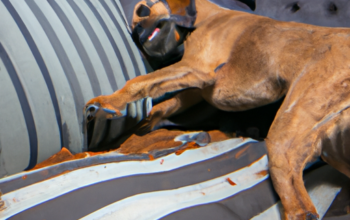
You’ve probably noticed your furry friend spends a good chunk of their day napping, but have you ever wondered exactly how much do dogs sleep?
Understanding your dog’s sleep patterns can give you valuable insight into their health and behavior. Just as with humans, sleep is crucially important for dogs – it helps them to recover from physical activity, supports cognitive function and even affects their mood.
What influences how much your pup snoozes isn’t just about breed or lifestyle; factors like age, diet, health status and environment all come into play. It’s not uncommon for the sleeping habits of our canine companions to vary widely. After all, they’re individuals too!
In this article, we’ll delve deep into the world of canine slumber, comparing sleep patterns across different breeds and discussing the role that age plays in a dog’s sleep routine. Stay tuned if you’re curious about maintaining healthy sleep habits for your four-legged pal.
Understanding Canine Sleep Cycles
Just like us, dogs have their own sleep cycles; they don’t just hit the hay and snooze straight through till morning.
There are multiple stages of canine sleep that mirror human ones: wakefulness, Rapid Eye Movement (REM), and non-Rapid Eye Movement (NREM). During NREM, your dog’s body repairs and rejuvenates itself.
After this stage comes REM sleep where dogs often show signs of dreaming. Yes, you read that right – ‘Dreaming Dogs’ is a real phenomenon! You might notice your furry friend twitching or whimpering in their sleep as if chasing an imaginary squirrel or playing with a phantom ball.
However, not all aspects of doggy dozing are adorable. Some canines may suffer from Sleep Disorders similar to those found in humans such as insomnia or sleep apnea. These disorders can disrupt your pet’s natural sleep cycle causing them to be lethargic during their waking hours.
A healthy adult dog typically spends about 12-14 hours per day sleeping but this can vary greatly depending on age, breed, health status, and individual personality traits. If you notice unusual changes in your dog’s sleeping patterns or behaviors, it may be worth consulting with a veterinarian for advice.
Regular exercise and mental stimulation also play crucial roles in promoting healthy canine sleep cycles, so keep those tails wagging!
Factors Influencing Sleep Duration in Canines
Ever wondered why your furry friend naps more on some days than others? There are numerous factors that can influence how much sleep your dog needs and when they decide to catch those z’s. A few key influences include their age, health status, and daily activities. But beyond these basic considerations, there are a couple of other elements that you’ll want to keep in mind.
-
Diet Influence: Just like with us humans, what your dog eats can have a significant impact on their sleep patterns. High-quality diets rich in protein can provide sustained energy levels, which may reduce the need for excessive daytime sleeping. Conversely, poor quality diets or overfeeding can lead to obesity and related health issues such as sleep apnea or diabetes – both of which could increase the amount of sleep your pup requires.
-
Exercise Impact: Regular physical activity is essential for keeping your pet healthy and regulating their sleep-wake cycle. Active dogs who get plenty of exercise during the day will likely be more tired at night and thus need more consolidated nighttime rest. In contrast, lack of exercise might lead to pent-up energy that disrupts normal sleeping patterns.
Remember, every dog is unique. What works best for one pooch might not work as well for another. Always monitor any changes in your buddy’s sleeping habits closely – if they seem overly lethargic or restless without apparent reason, it might be time to consult with a vet.
Comparing Sleep Patterns Across Breeds
Navigating the sea of canine breeds, you’ll find a wide array of sleep patterns that differ as starkly as their unique physical characteristics. This phenomenon is often referred to as breed specific restfulness, reflecting how a dog’s genetic makeup can influence its sleep patterns.
For example, larger breeds such as Saint Bernards or Mastiffs are known for their long sleeping hours, often requiring up to 18 hours per day. Conversely, smaller and more active dogs like Border Collies or Jack Russell Terriers tend to have less sleep needs, averaging around 14 hours.
In terms of sleep variations in purebreds, studies suggest that these differences could be attributed to factors like size, metabolism rate and activity levels characteristic of each breed. For instance, due to their slower metabolic rates and generally sedentary lifestyle, Great Danes need more sleep time compared to energetic breeds like Siberian Huskies who have faster metabolism rates and higher energy levels.
While it’s tempting to make sweeping conclusions about these tendencies based on breed alone though, remember that individual health conditions and daily activities can also greatly affect your dog’s sleep habits. So while the science provides key insights into the generalities at play here, it’s crucial not to overlook the importance of each dog’s unique circumstances when considering their restfulness needs.
The Role of Age in Canine Sleep Patterns
It’s not just the breed that impacts a pup’s snooze schedules, age plays a significant role too. Like human children and older adults, puppies and senior dogs have unique sleep needs.
Puppies spend a large chunk of their day sleeping — up to 20 hours! They’re growing fast and need the extra rest for healthy development. As they mature into adult dogs, their sleep time reduces to about 12-14 hours per day.
But as your dog enters its golden years, you might notice an increase in sleep once again.
Senior Dog Restfulness comes from various factors including slowing metabolism, health conditions or simply due to less physical activity. Here are some critical points to remember about aging dogs and their changing sleep patterns:
- Puppies often wake up throughout the night but should start ‘sleeping through the night’ around four months of age.
- Adult dogs typically require 12-14 hours of sleep each day.
- Senior dogs may need more rest due to declining energy levels or health issues.
- Changes in your dog’s sleeping habits could be a sign of underlying health problems; sudden shifts warrant a visit to the vet.
- Providing comfortable bedding can greatly improve Puppy Sleep Needs and Senior Dog Restfulness.
Remember: Quality of sleep is just as important for your canine compatriots as it is for us humans. Understanding these natural changes in your dog’s life will help you provide them with better care throughout all stages of life.
Maintaining Healthy Sleep Habits for Your Pet
You’re likely wondering how you can ensure your furry friend is getting the right amount of quality shut-eye they need, aren’t you?
Well, let’s start with sleep environment optimization. Providing a quiet, comfortable area for your dog to rest is essential. A cozy bed that suits their size in a low-traffic area of your home can significantly improve their sleep quality.
Temperature also plays an important role; dogs generally prefer cooler conditions for optimal rest. Ensure there’s enough ventilation and consider using a fan or air conditioner during warmer seasons.
Moreover, dietary influences are also key players in establishing healthy pet sleeping habits. The type of food consumed by your canine companion could affect their sleep patterns directly and indirectly. For instance, diets heavy on proteins and fats may provide high energy levels that disrupt normal sleeping schedules while proper hydration assists with temperature regulation during sleep phases.
Finally, it’s advisable to avoid feeding your pooch late at night as this might lead to digestive discomfort disrupting their good night’s rest. Remember – well-rested dogs are happier and healthier!
Frequently Asked Questions
What are some common sleep disorders that can affect dogs?
“Did you know 45% of dogs experience sleep disorders? These can include narcolepsy, insomnia, and REM behavior disorder which affect their sleeping positions. Interestingly, dreaming dogs may exhibit twitching or paddling during these episodes.”
How does a dog’s diet influence their sleep?
Your dog’s diet can significantly influence their sleep. Dietary supplements may boost health and restfulness, while food allergies could disrupt sleep due to discomfort. Thus, choosing the right food is essential for good sleep hygiene in dogs.
Are there any specific signs that my dog is not getting enough sleep?
Like a puzzle missing pieces, your dog’s behavior can reveal signs of canine insomnia. Look for disrupted sleep patterns, more frequent napping, irritability, or hyperactivity. These may indicate your furry friend isn’t getting enough rest.
Can specific toys or bedding help improve my dog’s sleep?
Yes, sleep inducing toys and comfortable bedding types can enhance your dog’s sleep quality. Toys like snuggle puppies mimic heartbeat sounds, and orthopedic beds relieve joint pressure, promoting deeper, more restful sleep.
What are the potential health implications if my dog is oversleeping?
Oversleeping effects in dogs can indicate health issues like diabetes, hypothyroidism or heart disease. Breed sensitivities may also influence sleep patterns. Always consult your vet if you notice unusual sleeping habits in your dog.
Conclusion
You might chuckle at the irony that your four-legged friend, often full of boundless energy, actually needs more sleep than you!
It’s true. Puppies and elderly dogs sleep more, while some breeds are ‘professional nappers.’
Remember this though, it’s not just about how much they sleep but the quality of their rest too.
So ensure a healthy sleep environment for them. After all, don’t they deserve to dream sweetly after brightening our world?