Biting, barking, bounding about – a puppy’s life is full of exploration and energy. While it’s adorable to watch them discover their world, one aspect of their behavior may not be as charming: biting.
As a new pet parent or seasoned canine caretaker, teaching your pup to curb this natural tendency can seem daunting. However, with understanding and patience, you can guide your furry friend towards gentler interactions.
In this article, we’ll delve into the details of canine mouthing behavior and share strategies for establishing proper socialization habits. We’ll explain how to implement bite inhibition training techniques and introduce chew toys as distractions from gnawing at human hands or clothes. And finally, we’ll discuss the power of positive reinforcement in rewarding good behavior.
So if you’re ready to replace those nippy nibbles with licks of love – let’s get started!
Understanding Canine Mouthing Behavior
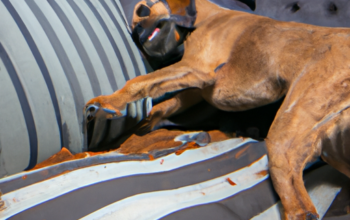
Imagine you’re observing your puppy, witnessing firsthand their instinctual mouthing behavior as they explore the world around them with their playful bites.
This isn’t an act of aggression, but rather a natural part of a pup’s growth and development. Just like human babies, puppies discover their surroundings through touch and taste.
Mouthing is an important part of your puppy’s education; it’s how they learn bite inhibition or soft mouth. However, unchecked biting can become a bad habit that carries into adulthood.
Understanding this behavior is your first step in teaching them not to bite.
Remember, patience is key when dealing with your young furry companion. Consistent communication will eventually lead to understanding and change in their actions.
You’ve got this!
Establishing Proper Socialization Habits
Ironically, it’s through playful wrestling with their furry siblings that young dogs learn to temper their nips. As a dog owner, you can simulate this socialization process to help your puppy understand the boundary between acceptable and unacceptable biting.
To start, introduce your puppy to other vaccinated dogs in controlled environments like puppy classes or playdates. Observe their interactions and step in when necessary.
In addition to real-life socialization, use toys as substitutes for human body parts during playtime. This redirects biting behavior towards an appropriate target.
Here is a simple approach:
| Steps | Actions |
|---|---|
| 1 | Introduce your pup to vaccinated dogs |
| 2 | Supervise their interaction |
| 3 | Use toys for redirection |
Remember, consistency is key in establishing proper behavior habits for your pup. With patience and dedication, you’ll teach them not to bite in no time.
Implementing Bite Inhibition Training
Training your young dog to control the force of their jaws – known as bite inhibition – is an essential part of raising a well-behaved pet. It’s about teaching them how to moderate their natural instinct to use their teeth playfully or defensively.
To effectively implement bite inhibition training, follow these steps:
-
Let them Bite Softly: During playtime, allow your puppy to mouth on your hands softly. This helps them understand that human skin is sensitive.
-
Yelp and Pause: If they bite too hard, simulate a high-pitched yelp and stop playing momentarily. They’ll soon learn that harder bites end fun time.
-
Redirect Attention: Provide chew toys for redirection when they get overly excited.
Remember, patience and consistency are key in this process; it’s all about building a bond based on mutual respect and understanding.
Introducing Chew Toys and Distractions
Just like a toddler with a new toy, you’ll find your young dog can be easily distracted and entertained by introducing chew toys into their routine. Chew toys not only keep your pup busy, but they also provide an outlet for their natural instinct to gnaw.
When they start nipping at you, promptly replace your hand or other inappropriate objects with these toys. Choose durable, puppy-safe items that are large enough to prevent swallowing, yet small enough for them to comfortably hold in their mouth. A variety of textures will further entice them. Rotate the selection regularly to maintain interest.
Additionally, engage them in stimulating play sessions using interactive toys or puzzles. This helps divert their attention from biting and promotes healthy mental stimulation. Your dedicated efforts will help shape a well-mannered dog!
Positive Reinforcement and Rewarding Good Behavior
Remember, your furry friend yearns for your approval and praise, so make sure you’re lavishing them with plenty when they behave well! Positive reinforcement is a powerful tool in teaching your puppy not to bite. This training method relies on rewarding good behavior rather than punishing the bad.
When your puppy plays gently without biting, immediately reward them with treats, praise, or petting. Be consistent and timely in giving rewards, as this helps your pup associate the positive action with their treat.
Additionally, train them to understand commands like “No bite” or “Gentle”. Start by saying these words when they’re playing nicely. If they react positively by not biting or being gentle, give an immediate reward. Over time, they’ll learn that non-aggressive play earns them love and treats!
Frequently Asked Questions
What if my puppy continues to bite despite using these techniques?
If your puppy keeps biting despite your efforts, don’t lose hope. It might take time for them to fully understand. Consult a professional dog trainer or behaviorist who can provide personalized advice and assistance.
How long does it typically take for a puppy to learn not to bite?
On average, it can take about four to six weeks for a puppy to learn not to bite. However, remember each pup is unique and the duration may vary. Consistent, patient training makes all the difference.
What are some signs that my puppy’s biting is not just playful behavior?
You’ll know your puppy’s biting isn’t playful if it’s aggressive or continuous, even when you redirect their attention. Signs include snarling, growling, and biting that breaks skin or destroys objects. Seek professional help if this occurs.
Is there a difference in biting behavior between different breeds of puppies?
Just like kids, puppies of different breeds can vary in their biting behavior. Some breeds may naturally be more mouthy due to their heritage, while others might exhibit less biting. It’s all about understanding their breed-specific traits.
Can teething cause my puppy to bite more and how can I manage this?
Yes, teething can indeed increase your puppy’s biting. To manage this, provide chew toys to satisfy their teething needs. Also, discourage biting by redirecting their attention and rewarding non-biting behavior with praise or treats.
Conclusion
So, you’ve mastered the art of teaching your pup not to bite. Remember, it’s a journey, not a race.
It may feel like taming a wild stallion at times, but with proper socialization habits, chew toys, and positive reinforcement training in your arsenal – success is inevitable.
Keep rewarding Fido’s good behavior and soon enough, he’ll be as gentle as a lamb with his mouth.
Patience and consistency are key – happy training!