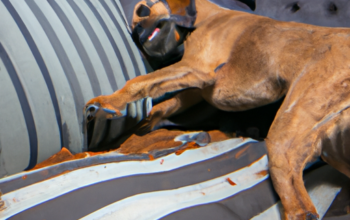
Just as Rip Van Winkle woke from his lengthy slumber with newfound clarity, your new puppy also thrives on a good amount of sleep. You’ve probably noticed that they doze off more often than not, but you might be wondering just how long should a puppy sleep? Don’t fret, understanding and meeting your pet’s sleep needs is key to their growth and development. Sleep plays an indispensable role in the overall wellbeing of young dogs, helping them grow physically and mature behaviorally.
In this article, we’ll delve into the importance of rest for canine development while providing tips to establish a healthy sleep routine. Furthermore, we’ll offer insights on dealing with potential sleep disturbances in puppies. By ensuring adequate rest for your furry friend, you’re serving their best interests – supporting their journey towards becoming a well-rounded adult dog who’s ready to explore the world around them wide-eyed and bushy-tailed!
Understanding Your Pet’s Sleep Needs
It’s crucial to grasp your furry friend’s snooze demands because, believe it or not, they’re probably clocking more zzz’s than you are! Understanding the sleep needs of your pet, particularly if it’s a puppy, can greatly enhance its health and overall well-being.
Puppies are like infants; they require a great deal of sleep for their development. Typically, puppies need about 18-20 hours of sleep per day during their initial weeks. This might seem excessive to you, but rest assured, this is standard in the canine world.
Just like humans have different stages of sleep such as REM and non-REM cycles, dogs too experience these stages. So let your pup catch up on those much-needed winks for balanced growth and a happier life!
The Importance of Rest for Canine Development
Proper rest is absolutely critical for a growing dog’s development, as it aids in the proper maturation of their bodily functions and brain. For instance, consider Max, a young golden retriever who gets plenty of downtime – his owners notice that he’s more alert during training sessions and has fewer health issues compared to other pups his age.
Sleep strengthens your puppy’s immune system, supporting overall wellness. It also fuels physical growth and assists in processing and retaining new information acquired during their active hours.
Moreover, ample sleep helps keep behavioral problems at bay by reducing stress levels. Therefore, prioritizing your pup’s sleep schedule can significantly contribute to their optimal growth and learning capabilities. Demonstrating commitment towards their rest assures them of your care while promoting their well-being.
Establishing a Healthy Sleep Routine
Establishing a healthy rest routine for your young dog isn’t just necessary, it’s vital for their growth and learning. Effective sleep habits significantly contribute to their physical health and cognitive development.
-
Set a Sleep Schedule: Consistency is key. Designate specific times for naps and bedtime, just like you would for a child.
-
Create a Comfortable Environment: Ensure your pup has a cozy, quiet space to rest undisturbed.
-
Limit Evening Stimulation: Avoid excessive play or exciting activities close to bedtime.
-
Manage Food Intake: Try not to feed them too close to bed as this can disrupt their sleep.
Remember that puppies need more sleep than adult dogs – up to 20 hours per day! Carefully nurturing these habits will foster an environment of love and care in which your puppy can thrive.
Tips for Ensuring Adequate Rest
Making sure your little furball gets enough rest can feel like a Herculean task, but remember, Rome wasn’t built in a day and neither are good sleep habits. Consistency is key and creating an environment conducive to sleep will go a long way.
| Tips | Description |
|---|---|
| Create A Sleep Schedule | Follow a regular feed-play-sleep routine. This helps regulate their internal clock and promotes better sleep. |
| Comfortable Bedding | Provide them with a comfortable bed in a quiet corner of the house. Puppies need to feel safe while sleeping. |
| Daytime Play | Encourage active play during daytime hours to ensure they’re tired out by bedtime. |
| Limit Stimuli at Night | Limit noise, light, and human activity around their sleeping area at night time to avoid disturbances. |
| Consult Vet for Issues | If you notice abnormal sleeping patterns, consult your vet immediately for guidance. |
Remember, patience is vital when ensuring adequate rest for your little one.
Dealing with Sleep Disturbances in Young Dogs
Dealing with your young dog’s sleep disturbances can seem overwhelming, but it’s crucial to understand the causes and find solutions that work for both of you.
These disturbances could be due to fear, anxiety, or even a medical condition.
Firstly, ensure your puppy has a comfortable sleeping area. This will help reduce any discomfort or fear they may have at night.
Secondly, maintain a regular bedtime routine. Consistency aids in establishing healthy sleeping habits.
If the problem persists, consult with your veterinarian as there might be an underlying health issue causing these sleep disruptions. They’ll provide professional advice tailored to your pup’s needs.
Remember – patience is key when dealing with puppy sleep issues; it’s all part of their development and growing process.
Frequently Asked Questions
What are some common medical conditions that can affect a puppy’s sleep?
Puppies can be affected by conditions like parasitic infections, urinary tract issues, or anxiety disorders. These may disrupt their sleep patterns. It’s vital to consult a vet if you notice unusual sleeping behavior in your puppy.
How does a puppy’s diet impact their sleep pattern?
Just like a key unlocks a door, your puppy’s diet directly influences their sleep. An imbalanced diet can lead to restlessness or lethargy, disrupting their normal sleep pattern. Proper nutrition ensures good sleep and overall health.
Do certain breeds of puppies require more sleep than others?
Yes, certain breeds do require more sleep. Larger breeds generally need more rest due to their rapid growth. However, each puppy is unique and its sleep requirements may vary depending on its age and activity level.
What are some signs that my puppy may not be getting enough sleep?
If your puppy seems overly tired, irritable or has difficulty focusing, these can be signs it’s not getting enough sleep. Other indicators may include increased aggression, changes in appetite or excessive hyperactivity.
Can I train my puppy to follow a specific sleep schedule?
Yes, you can train your puppy to follow a specific sleep schedule. Consistency is key in this process. Establish set times for meals, play, and potty breaks which will naturally influence your pup’s sleep routine.
Conclusion
In conclusion, your little furball’s snooze time is crucial for their growth and well-being. Make sure they’re catching plenty of Z’s, establish a healthy sleep schedule, and address any nighttime woes promptly.
Remember, ensuring your puppy gets adequate shuteye isn’t just about peace and quiet—it’s about setting them up for a lifetime of health and happiness.