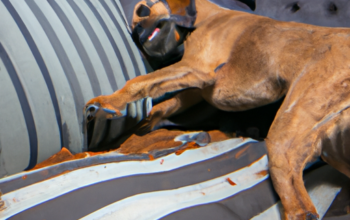
Like the tranquil ebb and flow of a river, your puppy’s sleep cycle is an essential part of their growth and development. It may surprise you to learn that these little bundles of energy need more sleep than adult dogs – up to 20 hours a day! That’s right, your playful pup spends most of its time in dreamland.
This restful period not only aids in their physical growth but also helps cement new skills and behaviors learned during waking hours. However, several factors can influence this sleepy sojourn, such as breed, diet, or environmental conditions. Creating a comfortable sleep environment for them is pivotal too.
In this article, we will delve into the science behind canine slumbers, offer tips for ensuring sufficient rest for your fur baby, and address potential sleep issues they might face.
So buckle up because we’re about to traverse the fascinating terrain of puppy snoozes!
Understanding the Sleep Needs of Young Dogs
You’d be surprised to know that these adorable little pups can snooze away for an astonishing 18 to 20 hours a day! Yes, puppies do require that much sleep.
Their growing bodies and rapidly developing brains need plenty of rest. Just like human infants, puppies spend a significant part of their sleep in the REM stage which is vital for cognitive development.
However, this doesn’t mean they nap continuously; rather they have periodic sleeping and waking cycles throughout the day and night.
Keep in mind though, insufficient or disrupted sleep can lead to behavioral issues and even health problems over time. So make sure you’re providing a quiet, comfortable space for your puppy’s plentiful slumber sessions – it’s crucial for their well-being!
Factors Influencing Rest Periods
Like humans juggling work and life, a pup’s rest periods can be influenced by a myriad of factors, it’s as if they’re spinning plates on sticks. For instance, the breed of your puppy may affect how much sleep they need; larger breeds tend to sleep more than smaller ones. The environment also plays an important role; puppies in calm, quiet environments will probably nap more than those in noisy or chaotic surroundings.
| Factors Influencing Sleep | Description |
|---|---|
| Breed | Larger breeds often require more sleep than smaller ones due to their rapid growth. |
| Environment | A peaceful and stable environment encourages longer rest periods. |
| Activity Level | Active pups burn off energy quickly and therefore may need more sleep to recharge. |
Remember, these are just guidelines. Each puppy is unique and may have different sleep needs based on its individual biology and lifestyle.
Creating a Comfortable Sleep Environment
Ensuring your fur baby’s snooze zone is comfy and inviting can make all the difference in their sleep quality. As a responsible pet parent, it’s essential that you take measures to create an environment conducive for rest. Here are some factors worth considering:
-
Bedding: Make sure to provide a cozy bed or crate with soft blankets.
-
Temperature: Maintain a room temperature that’s neither too hot nor cold.
-
Noise Levels: Minimize disturbing noises, consider using white noise machines if needed.
-
Lighting: Dimmed lights aid in setting the mood for sleep.
Remember, creating a comfortable sleep environment doesn’t just help your pup get the necessary hours of rest. It also contributes to their overall well-being and development.
Tips for Ensuring Sufficient Rest
Creating the perfect sleep environment for your furry friend is just half the battle, it’s equally important to establish a regular routine that promotes sufficient rest. For instance, take Bella, a three-year-old Labrador; her owner made sure she followed a consistent bedtime and wake-up schedule which significantly improved her sleep pattern and overall health.
To ensure your puppy gets enough rest, follow these guidelines:
| Routine | Action | Benefit |
|---|---|---|
| Bedtime | Set a consistent time for sleep | Promotes healthy sleeping habits |
| Wake-Up Time | Keep morning wake-up time constant | Helps regulate circadian rhythms |
| Exercise | Ensure sufficient physical activity during day hours | Makes sleep more rewarding |
Remember, puppies are like babies; they need plenty of sleep to grow and develop properly. Thus your commitment to ensuring their well-being includes providing them with ample rest in a comfortable environment.
Addressing Sleep Issues in Puppies
While it’s crucial to ensure your furry friend is getting ample rest, there might be instances where they’re struggling with sleep issues. This can range from excessive sleep to difficulty falling asleep or staying asleep, which could interfere with their healthy development.
If you notice any unusual sleeping patterns in your puppy, consider these steps:
-
Regular exercise: Just like humans, physical activity helps puppies sleep better.
-
Maintain a consistent schedule: Regular feeding and playtime can help regulate a puppy’s internal clock.
-
Create a comfortable environment: Make sure their sleeping area is clean, quiet, and warm.
-
Limit distractions during bedtime: Turn off the TV and reduce noise levels around their sleeping space.
-
Consult with a vet if problems persist: Sleep disorders could signal underlying health issues.
Remember, every puppy’s needs are different. Always keep an eye on them and adjust as necessary.
Frequently Asked Questions
What are the common sleep patterns of different breeds of puppies?
“Different puppy breeds have unique sleep patterns. Labrador pups, known for their energy, surprisingly sleep 18 hours a day. Pugs, on the other hand, nap less but deeper. Understanding these patterns helps you serve your pup better.”
How does the diet of a puppy affect its sleep?
Puppy’s diet significantly impacts its sleep. Nutrient-rich foods promote deeper, restful sleep. Overfeeding, especially before bedtime, can cause discomfort and disrupt sleep. Serve balanced meals at regular intervals for optimal puppy rest patterns.
What are some indicators that my puppy is not getting enough sleep?
Just like you, your puppy may show signs of being tired. They might be unusually cranky, have difficulty focusing, or exhibit excessive hyperactivity. Changes in appetite or irregular bowel movements can also indicate insufficient sleep.
How can I train my puppy to sleep through the night?
Establish a consistent bedtime routine—this includes meals, playtime, and bathroom breaks. Use a crate or confined area for sleeping. Provide comfort items such as soft toys. Remember, training requires patience and consistency.
Do puppies experience sleep disorders similar to humans, like sleep apnea or insomnia?
Yes, puppies can experience sleep disorders like humans. Nearly 63% of dogs show signs of sleep disturbances. However, conditions like insomnia and sleep apnea are rare, but they do occur in some cases.
Conclusion
In wrapping up, remember that puppies sleep a lot – usually about 14 to 18 hours per day!
This might seem excessive, but it’s crucial for their growth and development.
Create a cozy sleeping environment and monitor their rest periods closely.
If you notice any sleep issues, don’t hesitate to consult with your vet.
After all, ensuring your puppy gets enough zzz’s is one of the keys to raising a healthy and happy dog.