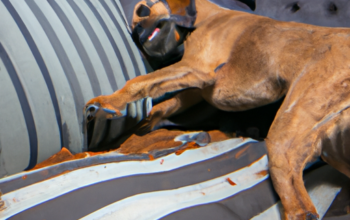
You’ve just brought home your new furry friend, and you’re excited to embark on this journey together. But as you watch your rambunctious pup chew on your favorite shoes or jump on your guests, you can’t help but wonder how to transform them into a well-behaved, refined companion.
Fear not, for you’re not alone in this quest for dog obedience. With the right guidance and dedication, you’ll soon be able to enjoy a harmonious relationship with your canine companion, and they’ll become an integral part of your family and social circle.
In this article, we’ll explore the importance of early training, establishing consistency and routine, and using positive reinforcement techniques to shape your dog’s behavior. We’ll also address common behavioral issues, introduce advanced training and canine sports, and discuss the significance of socialization and environmental exposure.
By the end of this journey, you’ll have the knowledge and tools to maintain your dog’s good behavior for life, ensuring that they remain a beloved and well-mannered member of your pack.
So, let’s dive in and start transforming your rambunctious pup into a refined, obedient companion.
Key Takeaways
- Early training and consistency are important for addressing common behavioral issues and teaching positive behaviors.
- Crate training and housebreaking are important for preventing destructive behavior.
- Canine sports and advanced training can provide physical and mental challenges for dogs and their owners, and showcase a dog’s talents.
- Proper socialization and environmental exposure are key to unlocking a dog’s confidence and adaptability.
The Importance of Early Training
Did you know that starting your pup’s training early can make all the difference in transforming them from a rowdy rascal to a polished pooch?
Puppy milestones are crucial in setting the foundation for good behavior and habits as they grow. By introducing crate training, basic commands, and socialization during their early months, you’re not only strengthening your bond but also providing them with the essential skills they need to become a well-behaved and integrated member of your family.
Crate training is a vital component of early puppy training. It’s a safe space for your furry friend to call their own and helps with housebreaking, preventing destructive behavior, and promoting a sense of security. By starting crate training early, you can significantly reduce separation anxiety and other common behavioral issues that often arise in untrained dogs.
Moreover, you’ll be teaching your pup the importance of boundaries and personal space, leading to a more harmonious home environment.
As your puppy grows and learns, it’s essential to keep up with their training and socialization to ensure they continue to develop into a well-mannered companion. This includes reinforcing positive behaviors, introducing new experiences and environments, and allowing them to interact with other dogs and people.
By consistently investing time and effort into your pup’s training, you’ll be rewarded with a refined, obedient, and loving companion who seamlessly fits into your life, making you both feel a sense of belonging and pride in your accomplishments.
Establishing Consistency and Routine
You’ll find that establishing consistency and routine in your pet’s life is key to transforming their behavior for the better. When training your dog, it’s essential to provide consistent cues and clear expectations. This means using the same words, tone of voice, and actions every time you give your dog a command.
Dogs thrive on routine and predictability, so try to keep their daily schedule as consistent as possible. This includes regular feeding times, walks, playtime, and training sessions. Not only will this help your dog feel secure, but it will also make it easier for them to understand and follow your commands.
As your dog progresses in their training, you may need to make routine adjustments to keep them engaged and challenged. For instance, if your dog has mastered basic commands, you could introduce new, more complex ones. Remember to always be patient and consistent with these changes, ensuring that your dog has plenty of time to learn and adapt.
If you notice any setbacks or resistance, it’s important to revisit the basics and reinforce the fundamentals of obedience. This will help your dog associate positive experiences with training and keep them motivated to learn.
Establishing consistency and routine is not only crucial for your dog’s obedience journey, but it’s also a wonderful way to strengthen your bond with your furry friend. As you work together to achieve common goals, you’ll find that your dog becomes more attentive, responsive, and eager to please.
This shared experience will create a sense of belonging and trust between you and your dog, laying the foundation for a lifelong partnership filled with love, loyalty, and mutual respect. So, embrace the process, be consistent, and enjoy the journey as you and your dog grow together toward a more refined and harmonious relationship.
Positive Reinforcement Techniques
Incorporating positive reinforcement techniques in your pet’s training is like teaching an old dog new tricks; it’s never too late, and it can significantly impact their overall behavior and your bond with them.
Rewarding patience and encouraging focus are essential aspects of this approach. By consistently acknowledging and rewarding your dog’s good behavior, you’ll create a strong foundation for obedience and foster a deep sense of trust and understanding between the two of you.
To begin using positive reinforcement, start by identifying the behaviors you want to encourage in your dog. These might include sitting patiently, staying focused during training sessions, or calmly greeting guests. Once you’ve identified these behaviors, use treats, praise, or toys as rewards when your dog exhibits them.
Remember, timing is crucial for positive reinforcement to be effective. Be sure to reward your dog immediately after they display the desired behavior, so they associate the action with the reward.
As you continue training your dog with positive reinforcement techniques, you’ll notice a significant improvement in their behavior and responsiveness to your commands. Additionally, the bond between you and your pet will grow stronger, as they learn to trust and respect you as their loving and consistent leader.
Keep in mind that patience and persistence are key when using positive reinforcement, but the results will be well worth the effort, as you and your canine companion enjoy a harmonious and well-behaved life together.
Addressing Common Behavioral Issues
Tackling common behavioral issues in your pet can be a breeze with the right approach and understanding of their needs. Canine communication is essential in addressing these issues, as it helps you recognize what your dog is trying to tell you and respond appropriately. Redirecting energy is another valuable technique to manage your dog’s behavior effectively. By understanding the root cause of their actions and providing them with alternative outlets for their energy, you can help your dog become a well-behaved and obedient companion.
Teach your dog the ‘quiet’ command and reward them when they stop barking. Provide appropriate chew toys and discourage chewing on inappropriate items. Ignore the behavior and reward your dog when they have all four paws on the ground. Use a front-clip harness and train your dog to walk politely by your side. Gradually increase the time spent apart and provide a calm, comforting environment when you leave.
Understanding and addressing your dog’s behavioral issues is an essential part of their journey from rambunctious to refined. Remember to be patient and consistent with your training, and don’t hesitate to seek professional help if needed. As you work together and strengthen your bond, you’ll find that your dog’s behavior improves, and you’ll both enjoy a happier, more harmonious life together.
So, embrace the process and celebrate each small victory on this transformative journey of dog obedience.
Advanced Training and Canine Sports
Ready to level up your furry friend’s skills and have a blast while doing it? Advanced training and canine sports are not only a fantastic way to strengthen the bond between you and your dog, but they also provide mental and physical stimulation that can help prevent boredom and behavioral issues.
Canine agility training, for example, is an exciting and competitive sport in which dogs navigate through a series of obstacles guided by their handler. This sport is suitable for most breeds and sizes, and it can be a fun way for both of you to stay active and engaged.
While canine sports are undoubtedly enjoyable and beneficial, they can also pose some risks, such as sports-related injuries. To minimize these risks, ensure that your dog is in good physical condition and has a solid foundation in basic obedience before attempting any advanced training or sporting activities.
When participating in these activities, pay close attention to your dog’s body language and signals, always keeping their safety and well-being in mind. It’s also a good idea to consult with a professional trainer or veterinarian who can guide you on proper techniques and precautions to take.
Embracing advanced training and canine sports can open up a whole new world of possibilities for you and your dog. Not only will you both enjoy the physical and mental challenges, but you’ll also become part of a community that shares your passion for dogs and their well-being.
So why not give it a try? You and your furry friend might just discover a new favorite pastime that brings you even closer together while showcasing your dog’s incredible talents!
Socialization and Environmental Exposure
Can’t underestimate the power of proper socialization and environmental exposure, for it’s the key to unlocking your pup’s confidence and adaptability in various situations – a true game changer in your canine companion’s life.
By introducing your dog to a variety of people, animals, and environments, you’ll be setting them up for success in both their training and everyday life. One of the essential aspects to focus on during this process is canine communication and public etiquette, as understanding and respecting the signals and boundaries of other dogs and people will help your pup become a well-mannered and enjoyable companion.
During the early stages of socialization, expose your dog to different sights, sounds, and textures. Take them to dog-friendly parks, pet stores, and outdoor cafes so they can get accustomed to various environments and human interactions.
Keep in mind that socializing your dog is not just about meeting new people and dogs, but also about teaching them how to behave appropriately in these situations. This includes not jumping on strangers, not barking excessively, and learning to walk politely on a leash. Reinforce these good behaviors with praise and treats, and gradually increase the level of difficulty as your dog becomes more comfortable and confident.
As you continue to refine your dog’s obedience, don’t forget to also focus on their emotional well-being. Providing them with a supportive and nurturing environment will help them feel secure and enhance their ability to learn.
Remember, your dog’s journey from rambunctious to refined is an ongoing process that requires patience, consistency, and a whole lot of love. But with time and effort, you and your canine companion will develop a bond that transcends obedience training and fosters a lifelong connection, making you both feel like you truly belong.
Maintaining Good Behavior for Life
It’s truly heartwarming to witness your furry friend transform into a well-behaved, confident companion, and maintaining that good behavior for life is essential for a harmonious and joyful relationship. This is where the concept of lifelong learning comes into play.
Just like humans, dogs can continue to learn and adapt throughout their lives, and it’s important that you, as their loving owner, continue to support and encourage this growth. By consistently reinforcing good behavior, providing mental stimulation, and keeping up with regular training sessions, you’re not only ensuring a happy and well-adjusted dog but also strengthening the bond between the two of you.
One of the key aspects of maintaining good behavior in your dog is understanding and recognizing canine communication. Dogs communicate with us and with their environment in many different ways, such as body language, vocalizations, and even scent. By paying attention to how your dog communicates, you can better understand what they need and respond appropriately.
This will also help you identify any potential issues before they escalate, allowing you to address them proactively. For example, if you notice your dog starting to get anxious around other dogs, you can work on addressing this issue through gradual exposure and positive reinforcement, rather than waiting for an unfortunate incident to occur.
As your dog’s lifelong learning journey continues, it’s important to remember that every dog is unique, and what works for one may not work for another. Be patient, flexible, and open to trying new techniques if something isn’t working. Always provide positive reinforcement and celebrate your dog’s successes, no matter how small they may seem.
By fostering a supportive and nurturing environment, you’ll help your canine companion maintain their good behavior for life, ensuring a lifetime of happiness and companionship for both of you.
Frequently Asked Questions
What are the key differences between traditional dog obedience training and modern, science-based methods?
You might be wondering about the key differences between traditional dog obedience training and modern, science-based methods. Well, one of the most significant distinctions is the focus on positive reinforcement in modern training techniques. Instead of relying on punishment or harsh corrections, these methods emphasize rewarding your dog for good behavior, creating a stronger bond and a more enjoyable experience for both you and your furry friend.
Additionally, modern training approaches make use of various training tools like clickers and treat dispensers to reinforce desired behaviors, making the process more efficient and effective. By embracing these science-based strategies, you’ll not only have a well-behaved pup, but also become part of a community of dog lovers who value compassion and understanding in their training journey.
How do I determine which dog obedience training method is best suited for my dog’s specific breed, age, and temperament?
To determine the best obedience training method for your dog, consider their breed, age, and temperament.
Start by researching breed-specific techniques, as some breeds may respond better to certain methods. For example, working breeds like Border Collies or German Shepherds might excel with more structured, task-oriented training, while toy breeds like Poodles or Shih Tzus may prefer positive reinforcement and play-based methods.
Next, factor in age-appropriate training. Puppies will need shorter, more frequent sessions with a focus on socialization, while older dogs may require longer, more consistent sessions to break established habits.
Finally, assess your dog’s temperament and choose a method that suits their personality. An anxious dog might benefit from gentle, reward-based training, whereas a confident, high-energy dog may need a more structured approach.
By tailoring your training to your dog’s unique traits, you’ll set them up for a successful and enjoyable learning experience.
Are there any potential negative effects of obedience training on a dog’s mental health or overall well-being?
Imagine your dog’s mind as a garden, lush and vibrant, where obedience training acts as the gardener, tending to the landscape and shaping it into a harmonious design.
While obedience training helps to cultivate a well-behaved and disciplined canine companion, there can be drawbacks and unintended consequences if not approached with care. It’s important to be aware of potential negative effects on your dog’s mental health or overall well-being.
For instance, using harsh training methods or pushing your dog too hard can lead to increased stress, anxiety, or even fear-based aggression. Additionally, focusing solely on obedience without addressing your dog’s social, emotional, and physical needs can result in an unbalanced and unhappy pet.
As the gardener of your dog’s mind, it’s essential to nurture their well-being with a balanced approach, ensuring that obedience training enhances their life, rather than detracting from it.
How can I successfully integrate obedience training with other aspects of pet care, such as grooming and veterinary visits?
Integrating obedience training into other aspects of pet care can be a breeze when you find the right balance.
Start by incorporating obedience training sessions into your daily routine, like during grooming or before a veterinary visit. For instance, practice commands like ‘sit’ and ‘stay’ while brushing your dog’s fur or trimming their nails. This not only helps reinforce good behavior but also makes the grooming process smoother.
Similarly, work on obedience skills like ‘come’ and ‘heel’ during walks to the vet, as they’ll be more at ease during their appointments.
By weaving obedience training into everyday pet care activities, you’ll create a harmonious and well-rounded routine that will make your dog feel like they truly belong in your family.
What resources are available for dog owners who want to continue learning and improving their skills in dog obedience training?
Who doesn’t want to be the best dog parent they can be? As a dedicated dog owner, you have a plethora of resources available to help you continue learning and improving your skills in dog obedience training.
Obedience training technology has come a long way, with innovative tools and apps that make the training process more efficient and enjoyable for both you and your furry friend. You’ll find numerous online courses, books, and videos offering expert advice on different training techniques, with a focus on reward-based benefits that create a positive and lasting bond between you and your pup.
Joining a local dog training club or participating in online forums can offer support and camaraderie from fellow dog enthusiasts, ensuring that you’re not only honing your training skills but also fostering a sense of belonging within a like-minded community.
So, dive into these resources and take your dog obedience training journey to new heights!
Conclusion
So, are you ready to take your furry friend from rambunctious to refined?
With consistency, positive reinforcement, and proper socialization, your dog will be well-behaved and ready to tackle any new adventure you throw their way.
Remember, a well-trained dog is a happy dog, and a happy dog means a happy you.
Keep up the good work, and you’ll have a lifelong companion who’s ready to share in all your joyful moments.