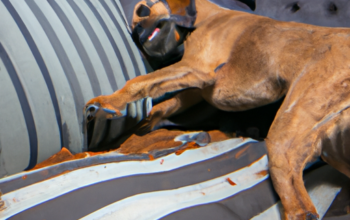
Just as you’re about to playfully pet your adorable new puppy, they snap. They bite down on your hand, leaving you startled and concerned. You’re not alone in this experience; many puppy owners face the same challenge.
Biting is a natural behavior for puppies but it’s crucial to nip this habit in the bud before it becomes a serious issue. Understanding why your furry friend bites and knowing how to discipline them effectively will help create a safe environment for both of you.
In this article, we’ll explore different reasons behind biting behaviour, effective training techniques, the importance of socialization, alternatives to biting and the need for maintaining consistency in training. We aim to equip you with strategies that are compassionate yet firm so that you can guide your pup away from negative behaviors while fostering their growth and development.
Remember: patience is key – it takes time for puppies to learn what’s acceptable behavior and what isn’t.
Understanding Reasons Behind the Behavior
It’s crucial to understand that a puppy’s biting isn’t inherently aggressive, rather it could be their way of exploring the world or dealing with teething discomfort.
Remember, puppies learn about their surroundings through their mouth just like human babies do. So when your little furry friend starts nipping at your fingers or shoes, they’re not trying to misbehave, they’re merely curious!
Additionally, teething can cause a great deal of discomfort in pups and they chew to soothe this pain. It’s similar to how a teething baby might gnaw on toys.
Understanding these reasons behind your puppy’s biting is the first step towards effective discipline. Your empathy towards them in this phase will pave the path for successful training and stronger bonding between you two!
Effective Training Techniques
Nipping the bud of this naughty behavior, employ efficient training techniques such as redirection and positive reinforcement. Like conducting an orchestra, each movement should be precise and purposeful to ensure harmony. Here are three easy steps:
-
Redirection: When your puppy starts biting, quickly replace your hand or clothes with a chew toy. This teaches them what’s acceptable to bite.
-
Positive Reinforcement: Reward your pup every time they play without biting or when they stop biting on command. Treats, praises, or extended playtime can work wonders here.
-
Consistency: Keep reinforcing these behaviors consistently over time until they become second nature for your pup.
Remember, patience is key in this process. Biting is a natural instinct in puppies, and it will take time to correct their behavior. Be gentle but firm in your approach to guide them towards becoming well-behaved companions.
The Importance of Socialization
Socializing your dog isn’t just about making new furry friends, it’s a vital part of their training and development. It helps them learn how to behave appropriately around other dogs and humans, which can significantly reduce problems like biting.
Consider introducing your puppy to various situations in a controlled way. Here’s a simple table showcasing different types of socialization:
| Environment | Interaction | Outcome |
|---|---|---|
| Dog Park | Play with other dogs | Learn bite inhibition |
| Home | Meet family & friends | Become comfortable with people |
| Busy Streets | Encounter traffic noise, pedestrians | Develop coping mechanisms for stressors |
| Vet Clinic | Exposure to medical handling | Reduce fear during vet visits |
| Training Classes | Follow commands in distracting environments | Improve obedience skills |
Remember, proper socialization not only discourages biting but also fosters a well-rounded and confident dog.
Alternatives to Biting
Teaching your pooch some engaging alternatives to biting can significantly curb this behavior. Interestingly, studies show that dogs trained with bite inhibition techniques are 60% less likely to nip or bite. Start by redirecting their attention towards toys or chew items when they begin to bite. It’s a kinder way of saying, “Hey, let’s not do that.”
Consider interactive games like fetch or tug-of-war, which provide an excellent outlet for their energy and satisfy their natural urge to bite and chew. Also, teaching them commands like “leave it” or “drop it” can be beneficial in managing this issue.
Remember, patience is key here. Puppies are just learning about the world around them and need your guidance. With time and consistent training, you’ll see an improvement in their behavior.
Maintaining Consistency in Training
Maintaining a consistent approach in your furry friend’s training routine is absolutely crucial for effective results. Consistency ensures that your puppy understands what behavior is acceptable and which isn’t, especially when it comes to biting.
To maintain consistency, make sure everyone in the household is on board with the training techniques. This prevents mixed messages that could confuse your pup. Stick to a specific command or action when correcting biting behavior. Changing commands may make it harder for your puppy to learn.
Be persistent, even if progress seems slow. Remember, patience is key when dealing with puppies.
Understandably, this process can be frustrating but remember you’re doing this out of love and care. Your dedication will soon pay off in raising a well-behaved dog who’s also a joyous companion.
Frequently Asked Questions
What kind of toys or chew items are safe for puppies to help deter biting?
You’d want to provide your puppy with chew toys specifically designed for teething. These include rubber toys, rope toys, and stuffed kongs. Always supervise their play to ensure they’re not swallowing indigestible parts.
Can certain breeds be more prone to biting than others?
Like night and day, different breeds have varied tendencies, including biting. Some breeds may indeed be more prone to biting due to their inherent traits. Understanding your pup’s breed can help manage this behavior effectively.
How can I get my puppy to stop biting when playing with children?
Ensure your puppy’s play with children is supervised. If biting occurs, calmly remove them from the situation and redirect to a chew toy. Consistent reinforcement that biting isn’t acceptable will help curb this behavior.
How can I prevent my puppy from biting while being groomed or receiving medical treatment?
Remember the old saying, “an ounce of prevention is worth a pound of cure.” Train your puppy early to associate grooming or medical treatment with positive experiences like treats and praise to prevent biting.
Are there any dietary changes that could potentially reduce the biting behavior in puppies?
While diet doesn’t directly impact a puppy’s biting behavior, proper nutrition can help overall behavior. Feeding your pup high-quality food ensures they’re not acting out due to hunger or nutrient deficiencies.
Conclusion
Remember, your puppy isn’t biting to be malicious – it’s like a child learning to use their hands.
Training, socialization, and alternatives can help reshape this behavior.
The road to success is paved with consistency.
It may feel like you’re trying to teach an old dog new tricks, but stick with it!
Your patience and persistence will pay off in the end, leaving you with a well-behaved pup and an unbroken bond.