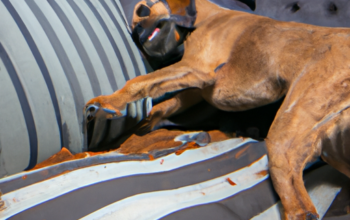
Bouncy, boisterous, and brimming with energy, your new puppy is a bundle of joy. But when those tiny teeth start testing their strength on your fingers or furniture, the charm can quickly wear off.
Don’t worry! Understanding the reasons behind this nibbling nature is the first step in curbing that troublesome trait. Puppy biting is a normal part of their development process; it teaches them about bite inhibition and helps to relieve teething discomfort. However, left unchecked, it can develop into problematic behavior in adulthood.
Luckily there are effective techniques like targeted training sessions using chew toys and distractions along with positive reinforcement methods to maneuver this misbehavior. Sometimes though, professional help might be necessary for severe cases.
Read on as we delve deeper into each aspect of how you can stop your puppy from biting in an empathetic and dog-friendly way.
Understanding the Reasons Behind Puppy Nibbling
It’s crucial to understand that pups don’t nibble just because they’re naughty; there’s often a deeper reason behind their behavior. Understanding these reasons is pivotal in curbing this habit effectively.
Firstly, puppies explore the world with their mouths, much like human babies do. They nibble and chew on things as part of their learning process.
Secondly, when teething, pups experience discomfort and biting can help soothe their gums.
Lastly, it could be a way of seeking attention or expressing excitement.
Recognizing these motives allows you to provide suitable alternatives for your pup’s needs rather than punishing them. Remember, patience and love are key when training a young dog; after all, they’re still learning about the world around them!
The Role of Training in Bite Inhibition
Training plays a crucial role in bite inhibition. It equips your young canine with the knowledge of what behavior is acceptable and what isn’t. It provides a structured environment where pups can learn about limits through positive reinforcement.
Start by introducing commands like ‘no bite’ or ‘gentle.’ Reward your pup when they follow these directives, reinforcing that non-aggressive behavior gets them treats and praise. Simultaneously, discourage hard biting by reacting loudly to show discomfort. This reaction often surprises puppies, making them understand that their action has caused pain.
Remember, patience is key during this process. While it may take time for your puppy to fully grasp these concepts, consistent training will ensure they grow into well-behaved dogs.
Utilizing Chew Toys and Distractions
In the world of dog training, think of chew toys and distractions as your secret weapon—they’re like the Pac-Man to your pup’s excessive chomping habit. When you notice your puppy starting to bite on inappropriate things, swiftly redirect their attention towards a chew toy or another suitable distraction.
Make these items readily available around your home, so there’s always something appropriate for them to sink their teeth into. Select toys that are durable and safe for puppies—ones they can’t easily swallow or choke on. Rotate toys regularly to keep them interested.
Remember, consistency is key in training; don’t allow playful nipping one day, then reprimand it the next. By implementing this strategy effectively, you’ll be helping pave the way for a well-behaved canine companion.
Positive Reinforcement Techniques
Harnessing the power of positive reinforcement can make all the difference when teaching your furry friend not to bite. You should focus on rewarding good behavior rather than punishing the bad, as this method is proven to be more effective and strengthens your bond with your puppy.
Here are a few strategies you may find useful:
-
Vocal Praise: When your pup interacts with you without biting, shower them with enthusiastic words of approval.
-
Treats: Dogs love food. Offering treats for non-biting behavior will encourage them to continue that behavior.
-
Playtime: Engage in their favorite activities as a reward for being gentle.
Remember, patience is key in this process. Stay consistent with these techniques, and soon enough, you’ll have a well-mannered canine companion.
When to Seek Professional Help
Should your efforts seem like trying to tame a wild river with a mere teaspoon, it might be time to reach out for professional help. Don’t feel discouraged; puppies can sometimes present challenges that are beyond our expertise.
Enlisting the support of a professional dog trainer or animal behaviorist isn’t a sign of failure but an act of dedication to your furry friend’s well-being. Expert guidance can provide you with tailored strategies and techniques that address your puppy’s specific needs and temperament. Also, professionals have the skills to identify any underlying issues causing the biting.
Remember, it’s about ensuring their healthy development while fostering an environment where they feel safe and loved. So, don’t hesitate to seek help when needed—it’s part of responsible pet ownership.
Frequently Asked Questions
What are some home remedies to soothe my puppy’s teething pain?
You can relieve your puppy’s teething pain by providing chew toys or frozen carrots. Lightly massaging their gums can also help. Always monitor them closely to ensure they don’t choke on small pieces.
How to handle a puppy’s biting behavior when introducing them to a new pet or family member?
“Did you know 70% of puppies nip when anxious? Introduce your puppy to new pets or family members gradually. Use positive reinforcement and redirection techniques, ensuring they understand biting isn’t acceptable behavior.”
Are there specific breeds of puppies that are more prone to biting than others?
Yes, some breeds can be more bite-prone due to their instinctual traits. Terriers, Retrievers, and Herding dogs often display more mouthy behaviors. However, individual temperament and training also greatly influence a puppy’s tendency to bite.
How can diet and nutrition influence a puppy’s biting behavior?
Like fueling a car for performance, your puppy’s diet can directly impact behavior. Nutritious food stabilizes energy levels, reducing hyperactivity and biting tendencies. Proper nutrition fosters healthier development and more balanced behavior in puppies.
How long does the puppy biting phase typically last?
The puppy biting phase typically lasts until they’re about 6 months old. It’s a natural part of their development, but with proper training and patience, you can guide them towards more appropriate behavior.
Conclusion
Just like a teething toddler, your pup’s biting is part of growing up. You’ve got the tools now: training, chew toys, positive reinforcement, and knowing when to call in the pros. Remember, patience is key; this is just a phase. It’s like climbing a mountain – it may be tough going up, but once you’re at the top, the view (or in this case, a well-behaved puppy) makes every step worthwhile!