You’ve likely noticed your furry friend spend quite a bit of the day napping, and you may be asking yourself, ‘how much sleep does my dog really need?’
The answer isn’t as simple as you might think. Much like humans, dogs have unique sleep patterns that are influenced by various factors including breed, size, age, and overall health. However, it’s crucial to understand these nuances to ensure your canine companion is getting the rest they require for their wellbeing.
Understanding your dog’s sleep patterns can help you identify any potential issues or irregularities in their behavior. In some cases, excessive sleeping could indicate an underlying health issue that needs to be addressed immediately. Conversely, lack of sufficient sleep can lead to behavioral problems and impact your pet’s overall quality of life.
This article aims to provide detailed insights into how long dogs typically sleep and how external factors influence their resting hours. Furthermore, we’ll delve into recognizing signs of possible sleep disorders in dogs and provide tips on ensuring your pet gets adequate rest.
Understanding Canine Sleep Patterns
You’ve got to understand, your furry friend’s sleep patterns aren’t like yours; dogs have their unique rhythms and cycles.
Unlike humans, dogs don’t follow a monophasic sleep cycle (one period of wakefulness followed by one period of sleep in a 24-hour cycle). Instead, they follow a polyphasic sleep pattern (multiple periods of rest and activity throughout the day).
Their stages of slumber also differ. They enter REM (rapid eye movement) sleep much quicker than humans do. During this stage, you may notice some peculiar behaviors such as twitching or whimpering – these are signs that your dog is dreaming.
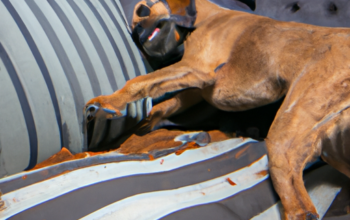
Observing your dog’s sleep postures can provide insight into their level of comfort and contentment. Dogs often curl up when they’re cold or feeling vulnerable, while sprawling out indicates they’re relaxed and confident.
Don’t be surprised if your pup changes positions frequently throughout the night; this is normal canine behavior. Just like us, dogs need quality sleep for good health.
Understanding their unique snooze habits helps ensure that your four-legged family member gets the rest they need to stay happy and healthy.
Remember: dreaming dogs are healthy dogs!
Influence of Breed and Size on Resting Hours
Surprisingly, it’s not the energetic Jack Russell or the industrious Border Collie that requires the most rest, but rather smaller breeds and puppies that tend to clock in more snooze hours.
This concept of breed specific sleep needs arises from various factors such as size, activity level, and overall health. For instance, larger breeds like Saint Bernards and Newfoundlands often need more sleep than smaller breeds due to their size and slower metabolism. On the other hand, small dogs like Chihuahuas might be awake more often but take frequent short naps throughout the day.
Size related resting variations are yet another intriguing aspect of canine sleep behavior. Contrary to what one might expect, smaller dogs often have higher energy levels requiring less continuous sleep while large dogs with lower energy expenditures require longer uninterrupted rest periods for recovery.
Puppies irrespective of breed or size typically need 18-20 hours of sleep per day as they expend a lot of energy growing and exploring their environment. So don’t fret if your new fur baby seems to be sleeping all the time – it’s perfectly normal!
Age and Health: Impact on Sleep Duration
As your pup ages, there’s a noticeable shift in their sleeping patterns and overall health which can significantly impact the amount of rest they require. Sleep quality often diminishes with age due to various reasons like discomfort from arthritis or other chronic diseases, frequent urination needs disrupting sleep, or cognitive dysfunction similar to Alzheimer’s disease in humans. Senior dogs can require up to 18-20 hours of sleep a day compared to adult dogs who typically need around 12-14 hours. This increase is not only because they tire more easily but also because their quality of sleep isn’t as good, so they need more time for rest.
Assessing your dog’s health regularly by taking them for veterinary check-ups will assist in monitoring any changes which could affect their sleeping routine. In some cases, existing health issues could be the cause of excessive sleep; hence it becomes crucial that you take note of this as well. Here is a table summarizing how aging and health condition influence dog’s sleep:
| Age/Condition | Typical Sleep Duration |
|---|---|
| Puppy | 18-20 hours |
| Adult Dogs | 12-14 hours |
| Senior Dogs | Up to 18-20 hours |
Just remember that while it’s normal for senior dogs to snooze more than younger ones, sudden changes or excessive amounts could indicate underlying health issues that need addressing.
Identifying Sleep Disorders in Your Canine Companion
Spotting sleep disorders in your furry friend might seem tricky at first, but once you’re aware of the signs, it’s a walk in the park.
The most common sleep disorder symptoms are changes in their sleeping pattern such as excessive daytime sleepiness or difficulty staying asleep at night. They may also have behavior changes like restlessness, aggression, or anxiety which could be linked to poor quality sleep.
Additionally, physical signs such as snoring or gasping for air during sleep can hint towards conditions like sleep apnea. It’s essential to observe these symptoms closely and take note of any significant shifts from your pet’s ordinary behaviors.
Once you’ve identified potential problems with your dog’s sleep health, don’t fret – there are many treatment options available! Depending on the specific diagnosis by your vet, treatments can range from lifestyle modifications like diet change and exercise routines to more medical-based interventions such as medication or surgery.
For example, dogs with obesity-induced sleep apnea might benefit from weight reduction plans while those suffering from insomnia due to anxiety may need behavioral therapy. In some severe cases involving structural abnormalities causing breathing troubles during sleep, surgical intervention may be necessary.
Remember that early detection and prompt professional consultation is key to ensuring your pup gets back on track for healthy slumbers!
Tips for Ensuring Adequate Rest for Your Pet
Just like a well-tuned engine needs quality fuel and regular maintenance, your pet’s vitality hinges on getting enough restful shut-eye.
Securing a suitable sleep environment is essential in this endeavour. You can start by investing in high-quality bedding comfort for your dog. Consider factors such as size, material, and durability when selecting a bed for your pooch; it should be sufficiently spacious, made of comfortable and non-irritating fabrics, and robust enough to withstand their antics without losing shape or comfort.
In addition to providing comfy bedding, the overall sleep environment plays an integral role in ensuring adequate rest for your pet. Maintaining an ambient temperature that mirrors their natural habitat is crucial; dogs do not fare well with extremes of hot or cold.
The area should also be quiet with minimal disturbances during their sleeping hours – consider using white noise devices if there’s unavoidable background noise. Furthermore, make sure the room is dimly lit or dark since bright lights can disrupt their circadian rhythm leading to poor quality sleep.
Remember that while dogs are adaptable creatures, they thrive best when they have consistent routines and conditions that mimic what nature intended for them.
Frequently Asked Questions
What are the common sleep positions for dogs and what do they mean?
“Dogs’ sleeping postures can be health indicators. The ‘donut’ signifies comfort, while ‘on the back’ implies security. Understanding canine body language interpretation helps decipher these signals, contributing to your pet’s well-being.”
Can dogs dream like humans when they sleep?
Yes, dogs can dream like humans. Studies on Dream Interpretation in Dogs suggest that they experience similar sleep stages, including REM sleep when dreams occur. This also means Canine Sleep Disorders are possible too.
Does the quality of a dog’s sleep affect its mood and behavior?
Just like a clouded sky symbolizes an impending storm, sleep disorders in dogs can reflect stress-induced insomnia affecting their mood and behavior. Your dog’s poor sleep quality could result in increased irritability or lethargy.
How does a dog’s diet impact their sleep schedule?
“Dietary adjustments can cause sleep disruptions in your dog. A high-protein diet may lead to restlessness, while too many carbs can cause lethargy. Balancing their diet helps maintain a consistent, healthy sleep schedule.”
Is it beneficial or harmful to allow my dog to sleep with me in my bed?
While it’s cozy having your dog in bed, consider the potential issues. Pet allergies impact your sleep quality and canine sleep disorders might disrupt your rest. It’s not necessarily harmful, but could be problematic for some people.
Conclusion
Just by coincidence, you might notice your dog’s sleep patterns mirroring your own. This isn’t a fluke but a testament to the bond between humans and their canine companions.
Understanding these patterns helps ensure they’re getting enough rest.
Remember, breed, size, age, and health all influence how long your dog sleeps.
Recognizing any abnormalities in their sleep can be crucial for their overall wellbeing. So stay observant – when it comes to your furry friend’s health, every detail matters.