Ever wondered when those sharp little puppy teeth will finally give way to their permanent set? You’re not alone. Having a new furry friend in your life can be as challenging as it is rewarding, especially when dealing with the teething stage. Understanding how long puppy teeth last and knowing the signs of teething are crucial for every responsible pet owner like you.
This article will walk you through your canine companion’s oral health journey, from their first set of baby teeth to the emergence of adult ones. We’ll also tackle ways to help alleviate any discomfort they might experience during this period and provide suggestions on suitable teething toys and treats.
Your pet’s dental health is a vital part of their overall well-being, so let’s get started on ensuring they have a healthy, happy transition from puppyhood into adulthood.
Understanding the Teething Timeline
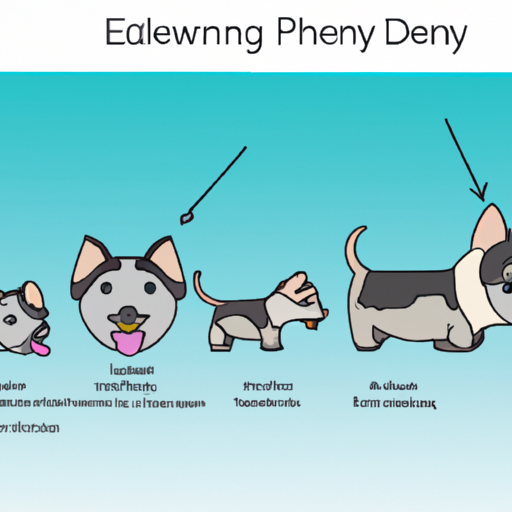
You’ll really get a kick out of this, but your little furball’s baby teeth will only stick around for about 3 to 6 months before they start falling out! This brief period is known as the ‘teething phase’. During this span, your pup will lose their deciduous or ‘milk’ teeth and permanent adult teeth begin to erupt.
The teething timeline varies slightly from breed to breed, but generally speaking, by the time your puppy reaches 8 weeks old, all baby teeth should have emerged. By approximately 4-6 months, these milk teeth start falling out making way for up to 42 adult doggy dentures.
The teething process can be uncomfortable for puppies so keep an eye on their behaviors and consult with a vet if you’re concerned about any abnormalities.
Recognizing the Signs of Teething
It’s like surviving a natural disaster when your fur baby starts teething, with telltale signs ranging from excessive drooling to chewing on everything in sight. Recognizing these symptoms can help you provide the necessary support during this challenging phase.
Here are some common signs of teething:
-
Chewing: Your puppy may try to soothe their discomfort by gnawing on anything they find.
-
Drooling: Excessive salivation is another clear indicator.
-
Irritability: They might seem more anxious or agitated than usual.
-
Loss of Appetite: Eating might be uncomfortable for them, leading to decreased food intake.
-
Bleeding Gums: Don’t panic if you notice a little blood; it’s a normal part of the process.
By understanding these signs, you’re better equipped to navigate this milestone with compassion and patience.
Caring for Your Canine’s Oral Health
Making sure your furry friend’s mouth stays healthy isn’t just about fresh breath—it can also prevent serious health issues down the line. Proper dental care begins with regular brushing of your pup’s teeth using canine toothpaste and a soft-bristled brush. This practice removes plaque that, if left unchecked, could lead to periodontal disease.
Don’t forget the importance of professional cleanings too. Your vet may recommend this annually or biannually depending on your dog’s oral condition. Dental chews and toys can also help keep those puppy teeth clean, but they don’t replace brushing or professional care.
Remember, maintaining good oral hygiene in puppies not only ensures their comfort but contributes to their overall wellbeing. Serve your canine companion right by prioritizing their dental health.
Dealing with Potential Teething Problems
Despite your best efforts, your furry friend might still encounter some teething troubles. Just like human infants, puppies also experience discomfort during this phase. You might notice symptoms such as excessive chewing or biting, drooling more than usual, and changes in eating habits. These are normal, but if your puppy appears to be in severe pain, consult with a veterinarian immediately.
One of the common problems is retained baby teeth. Normally, puppy teeth start falling out around 12 weeks and are completely replaced by adult teeth by 6 months. However, sometimes not all deciduous teeth fall out, resulting in an overcrowded mouth or misaligned jaw. This can cause difficulties while eating or grooming later on. Regular dental check-ups can help detect these issues early and ensure proper oral health for your canine companion.
Providing Appropriate Teething Toys and Treats
Providing the right toys and treats for your fur baby’s teething phase is as important as teaching an old dog new tricks; it requires patience, care, and a keen eye for what works best.
Here’s a simple guide of some safe options that you can consider:
| Teething Toy | Material | Advantages |
|---|---|---|
| Rope Toys | Cotton | Gentle on gums, encourages chewing |
| Rubber Teething Rings | Non-toxic Rubber | Durable, soothing to chew |
| Frozen Treats | Food-based | Provides relief from soreness |
Remember not all toys are safe; avoid hard bones or antlers that could fracture their delicate puppy teeth. Also, monitor their playtime to ensure they’re not swallowing any pieces. Providing appropriate teething toys contributes significantly to your puppy’s oral health during this crucial period.
Frequently Asked Questions
What is the average age a puppy starts losing its teeth?”
Typically, a puppy begins losing its primary teeth, or deciduous dentition, around 12 to 16 weeks of age. This is when the permanent adult teeth start erupting and replace the puppy’s milk teeth.
How many sets of teeth do puppies have throughout their life?”
Just like humans have baby and adult teeth, puppies also go through two sets of teeth in their lifetime. Their ‘milk’ or deciduous teeth appear first, followed by a full set of adult teeth.
Are there specific breeds that lose their teeth earlier or later than others?”
Generally, all breeds of puppies start losing their teeth around the same time, typically at 3 to 6 months old. However, smaller breeds may lose and grow in their adult teeth slightly quicker than larger ones.
Can a puppy’s diet affect the timing of the teething process?”
Interestingly, a puppy’s diet can indeed influence the timing of the teething process. Feeding your pup quality, nutritionally balanced food promotes healthy development, potentially speeding up tooth loss and replacement. Always consult a vet for dietary advice.
What should I do if my puppy has not lost any teeth by a certain age?”
If your puppy hasn’t lost any teeth by 6 months, consult a veterinarian. Delayed tooth loss could indicate underlying health issues. A professional can provide necessary guidance for your pup’s dental health and wellbeing.
Conclusion
In conclusion, don’t underestimate your pup’s teething process—it’s like navigating a tiny, sharp-toothed storm!
From understanding the teething timeline to managing potential issues, you’ve got a crucial role.
Remember, oral health care isn’t just about avoiding bad breath—it’s pivotal for overall wellness.
So arm yourself with suitable toys and treats because your puppy’s teeth are as important as the crown jewels!