When your beloved four-legged friend starts acting a bit unusual, displaying symptoms you’re not quite familiar with, it’s possible she may be going through her heat cycle. Understanding the stages of a dog’s reproductive cycle can, at times, seem like trying to decipher an alien language.
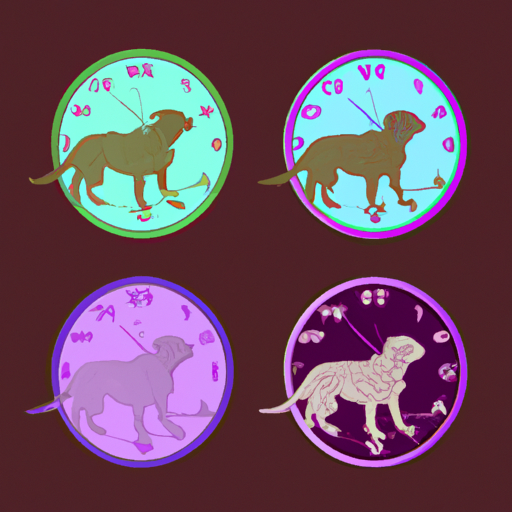
Yet, it’s essential knowledge for any responsible pet parent. Over the course of this article, we’ll demystify these biological rhythms by breaking down each stage of a dog’s heat cycle: proestrus, estrus, diestrus and anestrus. We’ll delve into how long each phase typically lasts and what changes you might notice in your pet during each one.
By gaining insight into this natural process, you’ll be better equipped to provide optimal care for your furry companion during these critical periods in her life.
Understanding Canine Reproductive Stages
Let’s dive right in and unravel the mysteries of your pup’s reproductive stages, shall we?
Your dog doesn’t reach sexual maturity until canine puberty timing kicks in. This usually happens between six months to a year for smaller breeds, while larger dogs might take up to two years.
Now once they’re sexually mature, female dogs go through heat cycles every six months on average. However, breeding frequency limits should be observed to ensure your dog’s health and safety. It is advisable not to breed your female dog every time she comes into heat; experts recommend waiting until at least her second or third cycle and even then limiting breeding to once a year.
Understanding these reproductive stages is crucial for responsible pet ownership.
The Proestrus Stage: Initial Phase
You’re about to embark on an interesting journey as we delve into the initial phase of your pet’s reproductive process, known as the Proestrus stage.
This is when you’ll first notice your dog’s heat cycle starting. The most obvious of the Proestrus symptoms are a swollen vulva and bloody discharge, though her demeanor may also change due to hormonal shifts.
During this period, which lasts approximately nine days, there will be significant hormonal changes. Your dog’s body is preparing for potential pregnancy by releasing eggs from her ovaries. Even though she might attract male dogs due to these changes in scent, she won’t be receptive to mating just yet.
It’s crucial during this time that you monitor your pet carefully and keep her indoors whenever possible to avoid unwanted advances from male dogs.
The Estrus Stage: Fertility Phase
Ironically, despite all the hormonal chaos of the Proestrus stage, it’s in the Estrus phase where your pet becomes truly fertile, ready to accept a mate and potentially conceive puppies. This stage lasts anywhere from five to nine days.
-
Hormonal Influences: During this phase, estrogen levels drop while progesterone levels rise, setting the stage for potential pregnancy.
-
Physical Changes: Your dog’s vulva remains swollen during this time and she may exhibit ‘flagging behavior’ – lifting her tail up and to the side.
-
Estrus Cycle Complications: Occasionally, dogs may experience silent heats (no visible signs), split heats (periods of heat separated by weeks), or prolonged heats.
Remember that every dog is unique; their cycles can vary greatly due to factors such as age, breed, and overall health status. It’s always best to consult with your vet if you notice any unusual changes in your dog’s behavior or physical state during her heat cycle.
The Diestrus Stage: Post-Breeding Phase
Moving into the Diestrus stage, your pet transitions from the breeding phase to a period of hormonal rest, enduring this for around two months.
This is also when pregnancy detection becomes possible if breeding took place during the Estrus stage. The lining of your dog’s uterus thickens in preparation for litter development, whether she’s pregnant or not.
During Diestrus, you’ll notice a significant decrease in her sexual behavior and physical changes such as swelling will return to normal. It’s important to ensure she receives proper care during this time as it can be stressful for her body.
Regular vet check-ups are recommended for monitoring her health and confirming pregnancy if applicable. Remember, understanding your dog’s heat cycle aids in providing optimal care and planning ahead.
The Anestrus Stage: Resting Phase
Now, let’s delve into the Anestrus stage – a vital resting phase in your pet’s reproductive journey. This stage lasts between 100 to 150 days and is considered a time of hormonal balance for your dog.
Hormonal changes impact her body significantly during this phase, readying it for the next heat cycle. While health implications during anestrus are minimal, keeping an eye on her overall wellbeing is crucial.
Here’s a quick table to summarize this stage:
| Aspect | Detail | Importance |
|---|---|---|
| Duration | 100-150 days | Allows body recovery |
| Hormonal changes impact | Prepares for next heat cycle | Ensures healthy reproduction |
| Health implications during anestrus | Minimal, but monitor overall health | Prevents potential complications |
Understanding each stage can help you provide optimal care for your furry friend throughout her life stages.
Frequently Asked Questions
What are the visible signs that my dog is in heat?
In heat detection, your dog may exhibit mating behavior like frequent urination or ‘flagging’ her tail. She might also have a swollen vulva, discharge, and show increased affection or aggressiveness towards other dogs.
Can a dog’s heat cycle be delayed or skipped?
Just like clockwork can go awry, a dog’s heat cycle can be delayed or skipped due to hormonal imbalances. These irregular cycles could be indicative of underlying health issues that need immediate attention.
How does a dog’s age affect the frequency and duration of heat cycles?
As your dog ages, Age Related Changes can affect the frequency and duration of her heat cycles. Breed also impacts this process. Older dogs may have irregular cycles, or they may stop altogether.
How can I manage my dog’s behavior and comfort during her heat cycle?
To manage your dog’s behavior and comfort during her heat cycle, consider adjusting her diet. Heat diets can help alleviate symptoms. Comfort toys provide distraction and reduce stress, promoting overall well-being during this time.
Are there any health risks or complications associated with a dog’s heat cycle?
Like a ticking time bomb, heat cycle infections can occur in your dog. Spaying benefits include reduced risk of these, and serious complications like pyometra – an infection of the uterus that’s potentially life-threatening.
Conclusion
So, you’ve spent all this time trying to decipher your dog’s heat cycle, huh? Turns out it’s not so simple. Each stage has its own quirks and duration. The irony is – we try to understand them but they probably don’t even give a second thought to these cycles!
Just remember, it’s important to stay informed and monitor your pet for any unusual changes. That’s the fun of being a dog parent, isn’t it?