Training a puppy can be like navigating through a minefield; one wrong move and everything explodes. But don’t worry, puppy pad training doesn’t have to be an intimidating task if you’re armed with the right techniques and knowledge. You’re not just teaching your new pet where to do their business, but also fostering trust and strengthening your bond with them.
This article will guide you through establishing a consistent routine for your pup, introducing the training mat correctly, using positive reinforcement, dealing with inevitable accidents, and maintaining this training over time. By following these steps consistently, you’ll provide a safe and clean environment for both you and your canine companion while making house-training a breeze.
So let’s dive in together into this journey of creating harmony within your home through effective puppy pad training.
Establishing a Consistent Routine
It’s crucial to stick to a steady schedule when you’re puppy pad training, as consistency helps your pup understand what’s expected of them. Just like toddlers, puppies thrive on routine and predictability.
Start by feeding your little one at the same times each day. You’ll soon notice they need to ‘go’ shortly after eating.
Next, establish specific potty times throughout the day. Typically, these should be first thing in the morning, after meals and playtime, as well as right before bed. Always guide your pup to their pad during these times.
Remember, patience is key here; this new routine may take some time for your puppy to grasp fully but will ultimately lead to successful puppy pad training if you stay committed and consistent.
Correctly Introducing the Training Mat
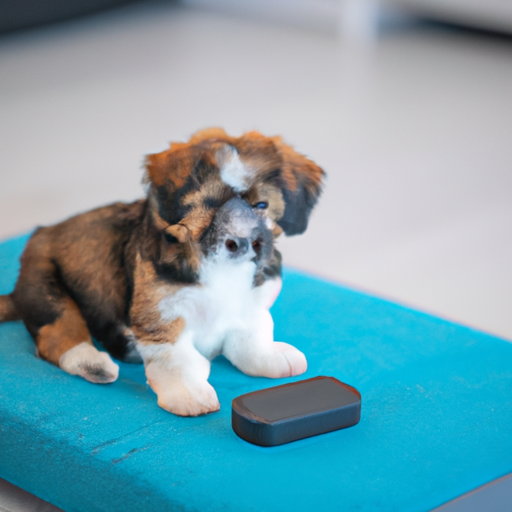
Before your little furball can master the art of indoor business, they must first become acquainted with their new bathroom mat – a crucial stepping stone on this journey.
Start by choosing a specific area in your home for the puppy pad. It should be somewhere easy to clean and away from your pup’s food and play areas.
Introduce them to it by carrying or leading them there at regular intervals, especially after meals or naps. Let them sniff around the pad so they get familiar with it – remember, dogs rely heavily on scent for communication.
Make sure you keep a watchful eye on your pup. If you notice signs that they need to go (like sniffing around or circling), promptly guide them onto the mat. This helps establish the puppy pad as their dedicated bathroom spot.
Positive Reinforcement Techniques
Rewarding your little furball’s good behavior is an essential part of the learning process, nudging them in the right direction. Positive reinforcement techniques play a crucial role in puppy pad training.
When your pup uses the pad correctly, immediately give them a treat or their favorite toy as a reward. This helps them associate using the pad with good outcomes.
Be consistent and patient with your rewards – remember that puppies learn at different paces. Don’t forget to shower them with praises and affection too! These small tokens of love go a long way in boosting their confidence.
Avoid punishing or scolding if they make mistakes; it might confuse and scare them instead. Remember, positive reinforcement is all about encouraging correct behavior, not punishing errors.
Dealing with Accidents
When accidents happen – and they inevitably will with young dogs – don’t be discouraged, instead turn it into a learning opportunity. Remember that scolding or punishing your pup will only create fear and confusion.
Instead, calmly clean up the mess without making a big deal about it. Use an enzyme-based cleaner that can neutralize the smell to prevent your puppy from being attracted to the same spot again.
Next time, watch for signs like sniffing around or circling that indicate your dog needs to go. Quickly bring them to their puppy pad and praise them when they do their business there. The goal isn’t perfection but progress.
As you persist in patience and consistency, you’ll see improvement over time in their understanding of where to go potty.
Maintaining the Training Over Time
Maintaining consistency in your pooch’s potty routine can feel like a marathon, but it’s so worth it when they finally get the hang of it. However, your job isn’t over once your pup becomes accustomed to using puppy pads. Keeping this cadence requires vigilance and patience.
- Stay consistent: Stick to the same routine daily to reinforce their training.
- Set a regular feeding schedule: Puppies typically need to relieve themselves after eating, so regular meals mean predictable potty times.
-
Keep the pad in the same location: Moving it around can confuse your puppy and disrupt their training.
-
Reward good behavior:
- Heap praises or give treats whenever your dog uses the pad correctly. This encourages them to repeat this behavior.
Remember, you’re nurturing a life-long habit that will make both of you happier and more comfortable. It may take time, but with dedication, you’ll see results.
Frequently Asked Questions
What is the ideal age to start puppy pad training?”
Just like a child’s first steps, your pup should start pad training around 8 weeks old. This early start allows them to develop good habits while they’re still learning about their new world.
Can puppy pad training be used for other pets as well?”
Absolutely! Puppy pad training isn’t just for dogs. It can be beneficial for other pets like cats, rabbits, and ferrets too. With patience and consistency, you’ll have them trained in no time.
How long does it usually take for a puppy to be fully pad trained?”
It typically takes 4-6 weeks to fully pad train a puppy. However, every pup is unique and some may take longer. Consistency, patience, and positive reinforcement are key in this training process.
Are there specific breeds of dogs that are harder or easier to pad train?”
Training difficulty can vary among breeds, but it’s more about individual temperament. Intelligence and eagerness to please often mean quicker training. However, every dog is unique, so patience and consistency are key in any situation.
Are there any health issues that could affect my puppy’s pad training process?”
Absolutely! Your pup’s health could make Everest seem like a molehill in your pad training journey. Medical conditions, particularly urinary tract infections or digestive issues, can disrupt consistency and delay the training process significantly.
Conclusion
In the end, patience is key. It’s a journey, not a sprint. Take it one day at a time and remember: every little success is a stepping stone towards your goal.
Puppy pad training can be as smooth as silk with consistency, positivity, and understanding. Keep the faith—you’ve got this!