As a pet owner, you’ve probably delved into the depths of doggy dilemmas more often than you’d like to admit. The world of canine health may sometimes feel as foreign and intricate as quantum physics, but today we’re here to demystify one aspect that’s often overlooked yet incredibly important: your dog’s anal glands.
Yes, it might sound a bit odd or even embarrassing at first, but understanding these small scent glands can be key in ensuring your furry friend is living their best life.
You might not be aware, but if your faithful Fido starts scooting his bottom across the carpet or persistently licking his rear end, it could indicate an issue with his anal glands being full or impacted. These symptoms may seem silly or somewhat perplexing at first glance; however, they are indeed cues that something could potentially be amiss with your pup’s health. Being able to identify unusual canine behavior and understand how the anatomy and function of these glands work can aid in early detection of potential issues and provide prompt care for your pet.
Recognizing Symptoms of Discomfort
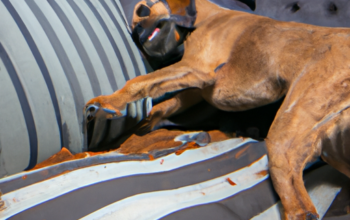
If your pooch is scooting his backside across the carpet or constantly licking and nibbling at his rear, it’s likely he’s feeling the discomfort of full anal glands. These actions are significant Discomfort Indicators that should not be ignored.
Other signs can include painful postures such as your dog hunching their back or displaying difficulty sitting down comfortably. They might also chase their tail excessively, which could indicate they’re trying to reach an area causing them distress.
Swelling or redness around the anus can be another clear sign of full anal glands. Some dogs may even emit a foul odor from their rear end, as these glands produce a potent smelling secretion when full.
If left unchecked, this can lead to serious complications like anal gland abscesses or perianal fistulas – conditions that cause severe pain and require immediate veterinary intervention. Therefore, keeping an eye out for these specific discomfort indicators is crucial in maintaining your pet’s overall health and comfort levels.
Identifying Unusual Canine Behavior
You’ve probably noticed your canine companion acting a bit out of the ordinary, which could be a sign they’re uncomfortable due to impacted sacs. A dog’s behavior can tell you a lot about their health and well-being, and it’s important to understand these signals as part of canine communication. Dogs with full anal glands may display significant behavioral shifts that are out of character for them.
Some dogs might become overly anxious or aggressive, while others may seem unusually lethargic or disinterested in activities they typically enjoy.
Here are some key indicators to watch for:
-
Scooting: One of the most common signs is when your dog drags its rear end along the ground – this is known as ‘scooting’. This action provides temporary relief from the discomfort caused by full anal glands.
-
Excessive Licking or Biting at Rear: If your dog is constantly licking or biting at its rear end, this may indicate an issue with their anal glands.
-
Unusual Posture during Elimination: When defecating, dogs with full anal glands often adopt unusual postures like standing on tiptoe or hunching excessively.
-
Changes in Bowel Movements: Loose stools or difficulty passing feces can also suggest problems with your pet’s anal glands.
Remember, these behavioral shifts could also be indicative of other medical conditions, so it’s always best to consult with a veterinarian if you notice any changes in your pet’s behavior or physical condition.
Understanding the Anatomy and Function of Canine Scent Glands
Ready to delve into the fascinating world of canine scent glands? Let’s get up close and personal with this key aspect of your furry friend’s anatomy and function.
These specialized glandular structures, known as anal or scent glands, are located on either side of your dog’s anus. Each gland functions much like a small balloon that fills up with a strong-smelling fluid, which is secreted when your dog defecates. This process serves an essential role in scent marking, effectively communicating information about your dog to other canines.
It’s important to understand that these glands should naturally empty themselves during regular bowel movements. However, occasional issues can arise, causing the glands to become impacted or full without properly expressing themselves. Such problems often result from irregular bowel consistency, obesity, or anatomical abnormalities, among others.
When this occurs, you may notice some signs such as scooting behavior (dragging their rear across the floor), excessive licking at the rear end, or changes in tail posture, indicating discomfort in that area due to full anal glands. Understanding this crucial aspect of your dog’s biology thus helps assure their overall health and comfort.
Steps for Checking Your Pet’s Health
Ensuring your beloved pet’s health might seem overwhelming at times, but by following a few simple steps, you can become an expert in no time! One of the key parts in this process involves checking on your dog’s anal glands. These glands, also known as scent glands, are located inside the animal’s rectum and can occasionally get impacted or infected. It is important to regularly check these glands for any signs of discomfort or swelling.
For a clear understanding on how to maintain your pet’s overall wellness, consider this easy-to-follow table:
| Step | Action | Importance |
|---|---|---|
| 1 | Monitor Pet Nutrition | A balanced diet will ensure that your dog has the necessary vitamins and minerals for their body functions including maintaining healthy anal gland tissues. |
| 2 | Regular Vaccinations | Keeping up with vaccinations helps prevent diseases that could potentially affect the overall health of your pet including infections related to anal glands. |
| 3 | Regular Exercise | Physical activities help stimulate natural secretion of anal glands thus preventing build-up which may lead to impaction. |
| 4 | Grooming & Hygiene | Regular baths assist in noticing any physical changes such as swelling around the anus which might indicate full anal glands. |
| 5 | Routine Vet Check-ups | Veterinarians can professionally examine and express full anal glands thereby preventing future complications like infections or abscesses |
Remember, consistency is key when it comes to maintaining pet health. By incorporating these steps into routine care for your canine companion, you’ll be better equipped to detect any potential problems early on – ensuring a long and healthy life for your furry friend!
Professional Care and Treatment Options
When it comes to professional care and treatment options, nothing can substitute the peace of mind that comes from knowing your pet is in capable hands, the relief of watching them recover from illness or injury, or the joy they bring into your life with every healthy day.
Regular vet clinic visits are instrumental in maintaining your dog’s overall health and particularly important for monitoring issues like full anal glands. These visits provide an opportunity for a professional to conduct thorough checks on your pet’s health status and perform necessary procedures such as gland expression techniques.
Gland expression techniques are often performed by vets to alleviate discomfort caused by full anal glands in dogs. This procedure involves applying gentle pressure on the anal glands to release their content – a task that requires a high level of expertise due to its sensitivity. It’s not advised for untrained individuals to attempt this at home, as improper handling can lead to infections or more serious complications.
Through regular vet clinic visits, you can ensure these procedures are done correctly and safely while also keeping track of any potential abnormalities in your dog’s health condition. Remember: early detection is key when dealing with most pet health issues; regular check-ups give you the best chance at catching problems before they escalate.
Frequently Asked Questions
What are the potential consequences if my dog’s anal glands are not expressed regularly?
If your dog’s anal glands aren’t regularly expressed, they risk gland infection. This can lead to behavioral changes like excessive licking or scooting. It’s vital to monitor these signs for your pet’s health.
Can certain dog breeds be more prone to anal gland issues?
Yes, it’s not a level playing field when it comes to anal gland issues in dogs. Genetic predispositions and breed specific characteristics can make some breeds more susceptible than others to these problems.
Is there a specific diet that can help prevent anal gland issues in dogs?
Yes, a diet high in fiber can aid in preventing anal gland issues. Be mindful of food allergies’ impact on your dog’s health. Also consider adding gland health supplements to their diet for optimal prevention.
Can anal gland issues recur frequently in dogs?
Yes, anal gland issues can indeed reoccur in dogs. Underlying causes like allergies, obesity or gastrointestinal disorders can contribute to recurrent problems. Regular vet visits and preventive measures are key to managing this issue.
Are there any home remedies available for treating full anal glands in dogs?
Yes, grooming techniques like regular baths can help. Natural laxatives such as pumpkin or chia seeds may aid in bowel movements, potentially reducing gland fullness. However, consult a vet for persistent issues.
Conclusion
As a devoted pet parent, it’s crucial you stay vigilant for any signs of discomfort or changes in behavior. Remember, your canine companion can’t tell you when they’re feeling off, so be their voice and seek professional help if needed.
Understanding your dog’s anatomy, specifically their scent glands, is key to maintaining their health.
Keep an eye out for these signs and take the necessary steps to ensure your furry friend remains comfortable and happy.