Imagine a tender sapling, ready to grow into a mighty tree but requiring the right guidance and support. That’s your adorable puppy, full of potential yet needing direction.
One common challenge you might face is teaching your pup not to bite. Don’t worry; it’s a natural part of their learning process and can be managed with patience and the right techniques.
This article will delve into understanding why puppies bite, redirecting this behavior, socializing them correctly, using positive reinforcement, and maintaining consistency in training methods.
You’re not just molding good behavior; you’re fostering an environment for your pet to flourish while preserving the safety and comfort of others around him.
So let’s embark on this journey together – transforming those tiny nips into respectful interactions while strengthening your bond with your furry friend along the way.
Understanding the Reasons Behind Biting
You’ve got to understand, it’s not that your pup’s being defiant; they’re just exploring the world, and unfortunately, their bite is part of their learning curve.
As puppies grow, they use their mouths to navigate their surroundings. This behavior can be likened to a baby touching and picking up everything in sight. It’s pure curiosity.
Moreover, biting or nibbling also helps alleviate the discomfort associated with teething. Just like human infants, puppies go through this phase too. Their gums may feel sore and swollen as new teeth erupt.
What you must realize here is that while biting might seem aggressive at first glance, it doesn’t necessarily indicate bad behavior. Instead, it’s often an instinctive response or a way for them to communicate distress or excitement.
Techniques for Redirecting Biting Behavior
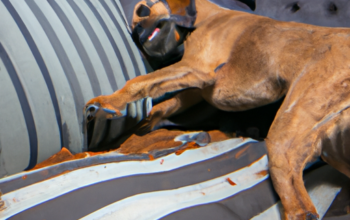
Believe it or not, your tiny furball’s gnashing teeth can feel like a dozen piranhas on a feeding frenzy when they latch onto your fingers! Instead of reacting negatively, try redirection. When the puppy bites, substitute your hand with a chew toy or bone. This shows them what’s acceptable to bite.
To make this technique effective, be consistent. Each time they nip at you, offer the chew toy immediately so they associate biting with the toy instead of you. If there’s no toy within reach when the puppy starts munching on your fingers, gently withdraw and stop playing for a while. This helps them understand that biting ends fun interactions.
Remember, training takes time and patience but with these techniques, those sharp little teeth will soon find another outlet!
The Role of Socialization
It’s crucial to understand that proper socialization plays a significant role in curbing biting behavior. By exposing your puppy to other dogs and people, you help them learn appropriate behavior and boundaries.
This process can be as simple as inviting friends over, taking your pup on walks, or enrolling them in puppy classes. In these social situations, they’ll witness how other dogs interact without resorting to biting.
In addition, they’ll gain the opportunity to experience different environments and stimuli, which can reduce fear-driven bites. Remember though, it’s vital that these experiences are positive and controlled. You don’t want your puppy associating new encounters with stress or fear.
Your careful guidance during this formative stage is essential for their development into well-behaved adults.
Utilizing Positive Reinforcement
Harnessing the power of positive reinforcement can be a game changer when it comes to teaching your young dog appropriate behavior. By rewarding your puppy for good behavior rather than punishing them for their mistakes, you’re encouraging them to repeat those behaviors in the future.
One effective method of positive reinforcement is using treats or toys as rewards. Make sure to give these rewards immediately after your puppy refrains from biting, so they associate the reward with not biting.
Here’s a simple table to illustrate how this works:
| Situation | Response |
|---|---|
| Your puppy starts nibbling at your hand | Immediately stop playing and ignore them |
| They stop biting and start behaving well | Praise them and offer a treat or toy |
Remember, consistency is key in utilizing positive reinforcement effectively.
Maintaining Consistency in Training Methods
Keeping your approach to teaching consistent is absolutely vital in shaping your young dog’s behavior. Your puppy needs to understand that biting isn’t acceptable, and this message should remain constant. Don’t let them nibble on you one day and scold them the next for the same behavior. This inconsistency confuses your pup, making it harder for them to learn.
Setting clear rules and sticking to them helps reinforce good habits while discouraging negative ones like biting. Use firm commands such as ‘No bite!’ whenever they try to nip at you or others.
Make sure everyone in your household follows these guidelines too; inconsistent training can lead to mixed signals that delay progress. Remember, consistency is key when training a new puppy not to bite!
Frequently Asked Questions
What type of toys should I provide to help my puppy stop biting?
Like a teething child, your puppy needs toys to soothe its gums. Try durable rubber or plush chew toys; they symbolize comfort and distraction. These toys can help redirect your pup’s biting behavior onto something appropriate.
How long should I expect the training process to take before my puppy stops biting?
Training duration varies for each pup, but on average, expect it to take 4-6 weeks. Consistency is key. Remember, patience and positive reinforcement during this process are crucial in serving your puppy’s needs effectively.
Are there any specific breeds that are more prone to biting?
While all puppies may nip or bite as part of their development, certain breeds like herding dogs or terriers can be more prone due to their natural instincts. However, behavior varies greatly within individual dogs too.
How do I handle my puppy biting children or other pets in the household?
Addressing your puppy’s biting behavior towards children or pets requires patience. Start by supervising interactions, redirecting the puppy to toys when they bite, and rewarding good behavior. Consistent, positive reinforcement is key for success.
Do I need to consider professional training if I can’t get my puppy to stop biting?
Yes, you may need to consider professional training. If your puppy’s biting persists despite your best efforts, a professional dog trainer can provide targeted strategies and techniques to correct this behavior effectively.
Conclusion
Remember, nearly 70% of dog bites happen at home.
Training your pup to not bite is essential for safety and peace of mind.
Use redirection techniques, positive reinforcement, and consistent training methods while remembering the critical role socialization plays.
With patience and understanding of why puppies bite, you’ll foster a stronger bond with your furry friend while promoting good behavior.
Train effectively today for a well-behaved companion tomorrow!