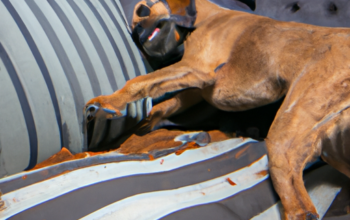
Like a mischievous child with a new toy, your puppy’s love for playful nipping might seem adorable at first. But as those tiny teeth grow sharper and stronger, the biting can quickly go from cute to painful.
Don’t fret! Teaching your furry friend not to bite is an achievable task that requires understanding, patience, and positive reinforcement. This article will guide you through why puppies bite in the first place, how you can redirect this natural impulse into safer outlets, socialization strategies for your young canine, and ways to apply positive reinforcement techniques effectively.
If your pup’s biting behavior persists despite these methods, we’ll also explore additional steps you could take. Remember, training a puppy is like nurturing a relationship; it needs time and effort but brings immense joy later on. Let us help you cultivate a bond with your little one where communication isn’t through bites but through love and mutual respect.
Understanding Why Puppies Bite
Let’s delve into why your cute, little pup might be engaging in this biting behavior, shall we?
Puppies bite for various reasons. Predominantly, it’s a natural part of their development and learning process. Like human babies who explore the world using their hands, puppies use their mouths to investigate their environment.
Biting also plays a crucial role in your puppy’s socialization with other dogs. When they play-bite with their littermates, they learn what is acceptable and what isn’t through feedback from their siblings. If a bite is too hard, the bitten pup will yelp or stop playing which teaches the biter to be gentler next time.
Understanding these reasons helps you approach training in a more compassionate way so that you can curb this behavior effectively while preserving your bond with your furry friend.
Redirecting Your Puppy’s Biting Impulse
Just like Harry Potter had to learn to control his magic, you need to guide your little furball’s biting impulse. Use chew toys or teething rings to redirect their desire to bite. When your puppy tries to bite you during playtime, immediately replace your hand or foot with the toy. This helps them understand what is acceptable for chewing.
In addition, create opportunities for social interaction with other puppies if possible. This can help teach them ‘bite inhibition’, a vital lesson they learn from playing and interacting with their littermates. Remember, patience is key here; training takes time and consistency, but it’ll be worth it in the end when you have a well-behaved pet who understands boundaries.
Socializing Your Young Canine
Creating opportunities for your young canine to socialize is an essential part of their development and can even help with their biting impulses. Socialization exposes your pup to a variety of experiences, reducing fear and anxiety that often lead to biting.
Here’s a simple guide:
| Stage | Activity | Benefit |
|---|---|---|
| Early Puppyhood | Introduce them to different people, places, sounds | Reduces fear, builds confidence |
| Teething Stage | Provide chew toys instead of hands or feet | Redirects biting impulse |
| Mature Puppyhood | Enroll in puppy classes or playgroups | Improves manners, teaches bite inhibition |
Remember, patience is key during this process. Your efforts will not only train your puppy out of the biting habit but also raise a well-rounded dog who’s comfortable in various situations.
Utilizing Positive Reinforcement Techniques
Harnessing the power of positive reinforcement techniques is like offering your young canine a treasure map, where the X-marked spot is good behavior instead of biting. This approach encourages desired actions and discourages unwanted ones, like nipping or biting.
Here’s a simple guide to get you started:
– Reward not biting
– When your pup chooses not to bite during playtime, praise them immediately.
– Offer treats as an immediate reward for calm behavior.
– Redirect biting with toys
– If they start to bite, instantly redirect their attention to a chew toy.
– Praise them when they engage with the toy instead of your hand.
Remember, it’s all about consistency and patience. Over time, these techniques will train your furry friend that there are better alternatives than using their teeth on people.
Dealing with Persistent Biting Behavior
Even with the best positive reinforcement techniques, you might find your furry pal’s biting habit stubbornly persistent. When this happens, don’t despair. Remember, patience and consistency are key when training a puppy.
Firstly, try to understand why your pup is biting. It could be due to teething or simply exploring the world around them. If it’s due to teething, provide chew toys that can soothe their gums while diverting their attention away from your hands.
Secondly, if they bite during playtime, immediately stop playing and ignore them for a few moments. This helps them learn that biting leads to negative consequences.
Lastly, consider seeking professional help if the biting continues despite your efforts. A certified dog trainer or behaviorist can provide tailored strategies based on your pup’s individual needs and behavior patterns.
Frequently Asked Questions
What are some breeds that are more prone to biting and how can this be managed?
Breeds like Chihuahuas, Jack Russells, and Dalmatians are more prone to biting. Managing this involves socialization from a young age, consistent training, and positive reinforcement. Remember, it’s about patience and understanding their behavior.
Can a puppy’s diet affect its biting behavior?
Ever wondered if your puppy’s diet can affect its biting behavior? Yes, it can. A balanced diet helps manage energy levels, reducing aggressive behavior like biting. So isn’t feeding them properly worth a shot?
Are there any specific toys that can help reduce my puppy’s biting habit?
Yes, chew toys are specifically designed to satisfy your puppy’s instinctive need to bite. They not only provide physical stimulation, but also help in developing healthy chewing habits which can reduce unwanted biting behavior.
How long does it typically take to train a puppy to stop biting?
Training duration varies per puppy, but with consistent and proper training methods, you can typically expect a reduction in biting behavior within 2-3 weeks. Remember, patience and understanding are key in this process.
Can health issues cause a puppy to bite more frequently?
Absolutely! Health issues can turn your gentle pup into a biting machine. Pain, discomfort or illnesses can increase their biting frequency. Always ensure they’re healthy and consult your vet if you notice unusual behavior.
Conclusion
In conclusion, if your puppy’s gnawing habit has you contemplating a career as a hand model for safety gloves, don’t despair! With understanding why they bite, redirecting their impulses, socializing them early on, using positive reinforcement, and addressing any persistent biting – your little furball will soon be more interested in their chew toys than nibbling at your fingers.
Training not to bite isn’t rocket science; it just requires patience and consistency. You’ve got this!