As the saying goes, ‘an ounce of prevention is worth a pound of cure,’ and this couldn’t ring truer when it comes to your pet’s health.
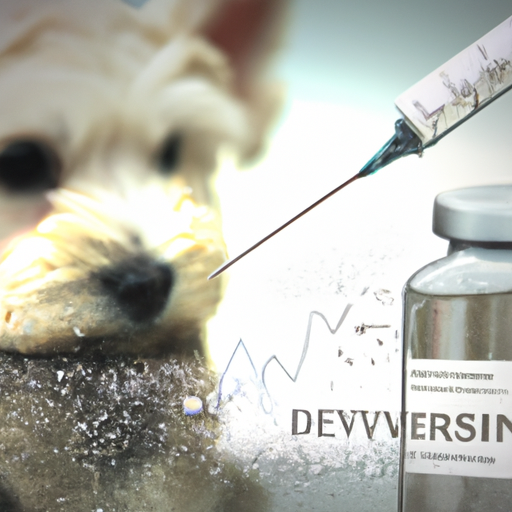
One of the key preventative measures you can take for your dog’s wellbeing is getting them vaccinated. You’ve probably heard about various shots required for dogs, but what exactly is a distemper shot?
In simple terms, it’s an immunization that safeguards your furry friend against several serious diseases, including canine distemper – a potentially fatal viral illness.
We’ll delve deeper into the importance of these vaccinations, explore what diseases they prevent and walk you through the vaccination process itself. Moreover, we’ll also shed light on potential side effects and precautions to keep in mind.
So sit tight as we navigate through this critical aspect of canine healthcare; after all, keeping our four-legged companions healthy is every pet owner’s top priority.
Understanding Canine Vaccinations
You’re likely aware that vaccinations play a critical role in safeguarding your dog’s health, but understanding the specifics can be somewhat complex.
To get a good grasp on it, you need to delve into Vaccine Development History and Canine Immunity Basics.
In the past, diseases like distemper and rabies were widespread and often fatal for dogs. With advancements in veterinary science, vaccines were developed to stimulate your dog’s immune system to build resistance against these diseases. By introducing a controlled amount of disease-causing organisms, your pet’s body produces antibodies that effectively combat these pathogens.
Now you’ve got the basics down: Vaccines work by triggering canine immunity responses that defend against specific diseases. It’s essential knowledge for ensuring your furry friend stays healthy!
The Importance of Immunization for Your Pet
Don’t underestimate the power of immunizations in keeping your furry friend healthy and disease-free! Vaccinating your pet is crucial for their overall health, acting as a preventive measure against potentially fatal diseases.
It’s not just about animal welfare; it’s also about protecting them from common risks like pet allergies. Like humans, dogs can suffer from allergies too. These can be triggered by various elements such as certain foods, pollens, or even fleas.
A distemper shot guards against the virus that causes canine distemper – a severe condition that affects a dog’s respiratory and nervous system. Remember, prevention is better than cure.
Regular vaccinations ensure your pet stays healthier for longer and reduces the chances of contracting diseases. Take an active role in safeguarding their health by prioritizing regular shots!
Diseases Prevented by the Vaccination
Imagine your beloved kitty contracting a deadly disease like rabies, a virus that affects the central nervous system and can potentially be fatal. Now consider this scenario – little Whiskers was vaccinated against rabies earlier in the year; she got into a tussle with an infected raccoon but thankfully her vaccine saved her from any harm.
This is just one of many diseases that vaccinations can prevent, showcasing their importance in pet healthcare.
The evolution of canine diseases has led to stronger strains of viruses, making vaccinations vital. A distemper shot for dogs, for instance, prevents Distemper Transmission Methods by protecting them from Canine Distemper Virus (CDV). CDV attacks multiple body systems causing severe health issues or even death. Therefore, immunization is indispensable for your pet’s wellbeing.
The Vaccination Process
It’s crucial to understand the vaccination process, as it’s not just a simple prick of a needle but an essential procedure that offers your furry friend a shield against deadly diseases. The vaccine administration is usually intramuscular or subcutaneous, and timing schedules are critical to ensure effective immunity.
Here’s a quick table to help you grasp how it works:
| Stage | Age | Vaccine |
|---|---|---|
| Initial Puppy Vaccination | 6-8 weeks | Distemper |
| Second Shot | 9-11 weeks | Distemper |
| Third Shot | 12-14 weeks | Distemper |
| Booster shots | Every 1-3 years after initial series | Distemper |
Remember, this schedule might vary based on your dog’s health status and environment. Always consult with your vet for personalized advice. It’s all about safeguarding their well-being!
Potential Side Effects and Precautions
Just like the changing seasons that bring both beautiful blossoms and occasional storms, vaccinations too come with their share of potential benefits and side effects for your furry friend. It’s crucial to be aware of these as a responsible pet owner.
While distemper shots are generally safe, they can sometimes cause allergic reactions in dogs. Symptoms may include fever, vomiting, or even difficulty breathing. If you notice any adverse responses post-vaccination, it’s important to seek immediate veterinary care.
Another aspect to consider is vaccine frequency. Typically, puppies receive the distemper shot multiple times during their first year of life and then every 3 years thereafter. However, this schedule may vary based on your dog’s age or overall health condition. Always consult with your vet about the best vaccination plan for your pet.
Frequently Asked Questions
How often should a dog receive a distemper shot?
In terms of Distemper Shot Frequency, your puppy’s vaccination schedule should include a distemper shot every 3-4 weeks until they’re 16 weeks old. Afterward, boosters are typically given every 1-3 years.
Can a distemper shot be given to a dog with existing health conditions?
Yes, a distemper shot can be given to a dog with existing health conditions. However, consider potential Distemper Vaccination Risks and Health Condition Interactions. Always consult your vet for personalized advice.
What are the costs associated with a distemper shot for dogs?
The cost of a distemper shot for your dog can vary due to regional price differences. Typically, it’s between $20-$60. Investigate vaccine alternatives if budget is a concern, but remember, prevention is crucial.
How can I comfort my dog after receiving a distemper shot?
Monitor your dog for shot reactions like swelling or discomfort. For pain management, apply a cool compress to the injection site and offer extra cuddles. Consult your vet if symptoms persist or worsen.
Can older dogs receive a distemper shot?
Absolutely, older dogs can receive a distemper shot. Despite the sky-high prevalence of distemper, vaccine reactions are rare. It’s crucial to protect your furry friends from this dangerous disease at all stages of life.
Conclusion
In a nutshell, you’re not just protecting your dog from dangerous diseases with a distemper shot; you’re safeguarding their life. Yes, there could be side effects, but they’re usually minor compared to the potential risks of leaving your pet unvaccinated.
So don’t hesitate – immunize! Understanding this juxtaposition is critical for responsible pet ownership.