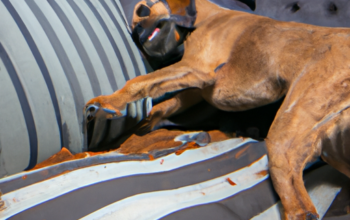
You’re sitting in your living room, enjoying a quiet evening when suddenly, your mild-mannered dog turns into a furry whirlwind. He’s racing around the house, leaping over furniture and darting under tables in a frenzied burst of energy. If you’ve ever witnessed this kind of behavior in your pet, you’ve experienced what animal behaviorists refer to as Frenetic Random Activity Periods or FRAPs.
More commonly known as ‘zoomies,’these explosions of activity are normal for dogs but can be puzzling and even alarming for their owners.
This article will delve into the fascinating world of canine behavior to help you understand why dogs get the zoomies and what triggers these sudden bursts of energy. We’ll explore how factors such as breed and age play into the equation and discuss how exercise and play contribute to this phenomenon. We’ll also provide guidance on managing these episodes effectively so that both you and your furry friend can enjoy them safely.
By understanding more about this aspect of canine behavior, not only will you gain insights into your pet’s physical needs but also his emotional state.
Understanding Frenetic Random Activity Periods (FRAPs)
Imagine your dog’s suddenly caught in a whirlwind of excitement, darting around like a pinball – that’s what we call Frenetic Random Activity Periods or ‘zoomies’! This is where the zoomies neurology comes into play.
Zoomies are bursts of high-energy that can seem to come out of nowhere. These episodes are usually brief and often end as abruptly as they began. While it may be surprising for first-time pet owners, these sudden bouts of crazed running and playing are quite normal, especially in puppies and young dogs.
Neurologically, zoomies occur because dogs have evolved to be highly active animals with strong instincts for hunting and playing which can occasionally manifest as FRAPs.
In terms of prevention, there isn’t much you can do to stop zoomies since they’re a natural part of canine behavior. However, understanding why they happen can help manage them more effectively.
Dogs usually get the zoomies when they have pent-up energy that needs releasing or after experiencing something exciting like bath time or meeting new people. Providing ample opportunities for physical exercise and mental stimulation throughout the day will reduce their frequency.
For instance, regular walks, playtime sessions using interactive toys, obedience training exercises can all contribute to burning off excess energy thereby lessening occurrences of FRAPs. Remember though: In moderation FRAPs aren’t harmful; it’s just your furry friend letting off some steam!
Factors Triggering Sudden Energy Bursts
Like a bolt of lightning, your pet may dart around the house after bath time or during a playful encounter with friends, as if running on an endless battery. This sudden surge of energy can be likened to us getting a second wind during intense workouts – it’s exhilarating and seemingly out of nowhere.
What you’re witnessing is essentially your dog’s response to certain emotional triggers that send them into this frenzy known as ‘zoomies’ or Frenetic Random Activity Periods (FRAPs). These can include overwhelming joy, excitement, anxiety, or even fear. For instance, when they’ve had a particularly stimulating interaction with another animal or have been cooped up indoors for too long and suddenly find themselves in an open space.
Dietary influences also play a significant role in these spontaneous eruptions of energy. The food your dog consumes provides them with the necessary nutrients for growth, repair, and energy production. A diet rich in high-quality proteins and carbohydrates will fuel their muscles efficiently and could potentially lead to more frequent bursts of zoomies.
However, it’s important to note that while these energetic displays are generally harmless fun, excessive episodes could indicate an imbalance in their diet or even underlying health issues such as hyperthyroidism or adrenal disorders. Always monitor your dog’s behavior alongside their dietary intake to ensure they’re healthy and happy.
Breed and Age Considerations
It’s essential to remember that a pup’s breed and age can significantly impact their energy levels and frequency of these playful frenzies.
Specific breeds, such as Border Collies, Jack Russell Terriers, or Australian Shepherds, have genetic predispositions towards high-energy activities due to their working heritage. These dogs are typically bred for tasks that require intense focus and stamina like herding or hunting hence they often exhibit more frequent zoomie episodes than other breeds.
Additionally, certain small dog breeds like Chihuahuas or Yorkshire Terriers may also experience zoomies as an outlet for their compact but robust energy.
When considering age factors in relation to the zoomies, it’s distinctively noticeable that puppies demonstrate these behaviors more frequently than adult dogs. This is primarily because puppyhood tendencies are characterized by surplus energy coupled with a natural curiosity to explore the world around them.
As a part of their development process, puppies often burst into spontaneous running spells – commonly referred to as the ‘zoomies’ – which not only helps them burn off excess energy but also aids in honing their motor skills and agility.
However, as dogs mature and enter adulthood, while they may still get the occasional bout of zoomies (especially after bath time), the frequency generally decreases due to reduced energy levels linked with aging.
The Role of Exercise and Play
Just as you’d feel a rush of energy after an invigorating workout, your furry friend benefits from regular exercise and play sessions to keep the zoomies at bay.
Exercise is not merely about physical activity; it’s also a major contributor to a dog’s mental well-being. According to canine neurology, regular physical activity stimulates the brain, leading to better cognitive function and emotional regulation. This stimulation aids in controlling those sudden bursts of hyperactivity we refer to as ‘zoomies’.
Engaging your dog in structured play sessions provides both physical exertion and emotional stimulation. When dogs are mentally stimulated through games or training exercises, they are less likely to experience bouts of frenetic random activity periods (FRAPs), commonly known as the ‘zoomies’.
An enriched environment with plenty of opportunities for exploration and problem-solving can help channelize their energy more productively, reducing instances of these unpredictable sprints.
Keep in mind that while exercise and play are crucial aspects in managing this behavior, don’t overly exhaust your pet as it may lead to adverse effects on their overall health.
Managing and Responding to These Behavior Episodes
When your canine buddy suddenly explodes into a whirlwind of activity, understanding how to handle these episodes can be crucial for both your sanity and their safety. Zoomies aren’t inherently harmful, but they can lead to unintended consequences if not effectively managed.
For instance, in an enclosed space or near furniture, your dog could hurt themselves during this frenetic play. Furthermore, zoomies often occur at inconvenient times – late at night or when you’re hosting guests – which can add a layer of stress to the situation.
Zoomies prevention is not about stifling your pet’s natural energetic expressions, but rather guiding them towards safer outlets for their energy bursts. Regular exercise and mental stimulation are key preventive measures against zoomies; ensuring your dog gets enough physical activity throughout the day can decrease the likelihood of these hyperactive spells.
When episodes do occur, it’s best not to chase your dog as this may only fuel their excitement further. Instead, try calmly redirecting them towards a more appropriate area where they won’t risk injury or disturbance. Remember that understanding and responding appropriately to zoomies is part of being a responsible pet owner and helps ensure the well-being of your furry friend.
Frequently Asked Questions
Are the zoomies a sign of any underlying health issues in dogs?”
“Zoomies triggers aren’t typically indicative of underlying health issues in dogs. They’re primarily behavioral implications of pent-up energy or excitement. However, if they become excessive or disruptive, consult your vet for guidance.”
Can the zoomies be harmful or dangerous for a dog?”
While you might worry, Zoomies aren’t typically harmful for dogs. However, Zoomies triggers in unsafe environments can lead to accidents. To prevent injuries, ensure your dog’s zooming space is clear of obstacles and hazards.
Is there a specific time of day when dogs are more likely to get the zoomies?”
There’s no specific time for zoomies triggers. Zoomies frequency can vary based on the dog’s mood, energy level, and environment. However, they often occur after baths or meals when dogs have extra pent-up energy.
Do dogs outgrow the zoomies as they age or will they always have them?”
Dogs don’t necessarily outgrow the zoomies with age. Breed susceptibility and certain triggers can induce this behavior at any life stage. However, it’s generally more common in puppies due to their high energy levels.
Are there any specific training techniques to control or reduce the frequency of zoomies in dogs?”
“Nearly 85% of dogs exhibit zoomies. Breed susceptibility varies, but training techniques can help. Minimize zoomies triggers like excessive excitement or confinement. Use positive reinforcement to teach calm behavior, reducing the frequency of these frenetic episodes.”
Conclusion
In a nutshell, your dog’s zoomies are just a burst of energy that needs to be released. It’s normal and often triggered by excitement, play, or sometimes even stress. As an owner, it’s essential for you to understand and manage this behavior appropriately.
Take into consideration factors like breed, age, and exercise routine. Remember that not all dogs are cut from the same cloth; their individual needs vary. A balanced amount of exercise coupled with play can help keep those sudden zoomies at bay.