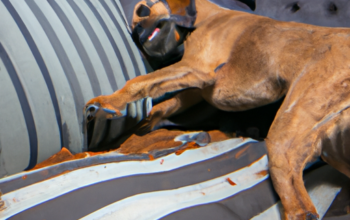
Like a rolling ball that gradually slows its pace, your puppy’s growth isn’t constant but changes over time. You may find yourself asking, ‘When will my dog stop growing?’ The simple answer is: it depends.
From the initial burst of growth during puppyhood to the rapid acceleration in their teenage years, and finally slowing down as they transition into adulthood – each stage brings unique changes and developments. However, reaching full size doesn’t mean they’ve reached their maximum capacity for development; a lot more goes into the making of your adult dog than just physical size.
In this article, we’ll delve into a timeline of canine growth and investigate what factors can influence it beyond mere genetics. Understanding these stages can help you better cater to your pet’s needs at different life phases while ensuring their health and happiness throughout their journey with you.
Puppyhood: The Initial Growth Phase
During puppyhood, your little furball will experience a rapid growth phase, shooting up like a sprout before your eyes. This stage is crucial and usually lasts up to 6-12 months, depending on the breed.
During this period, Puppy Nutrition plays an integral role in determining how well your pup grows. A balanced diet full of necessary nutrients supports bone development, aids muscle growth, and ensures overall health.
In addition to feeding them right, keeping an eye on their health is also imperative. The impact of vaccination during this phase can’t be overstated. Timely vaccinations help protect against serious diseases which otherwise might hamper their natural growing process or even pose life-threatening risks.
Remember that each pup’s growth journey is unique; patience and care are key.
Teenage Years: The Rapid Growth Period
In your pup’s teenage years, you’ll notice a quick surge in their size as they reach towards their full adult dimensions. This phase is influenced significantly by the impact of growth hormones, which cause rapid development in both their body structure and physical strength. These changes can startle you if it’s your first time raising a pup.
Feeding schedule effects also play a crucial role during this period. It’s essential to adapt your dog’s diet to meet their increased nutritional demands adequately. They need more protein for muscle development and carbohydrates for energy. However, overfeeding can lead to obesity, so maintain balance.
Remember that not all breeds mature at the same pace; smaller breeds generally stop growing earlier than larger ones. Monitoring these changes will help ensure your furry friend grows healthy and strong.
Early Adulthood: Slowing Down of Growth
As your pup transitions into early adulthood, you’ll likely observe a slowdown in their rapid growth spurt. This is a natural part of their development and not cause for concern – it’s simply the juxtaposition of frenzied puppyhood against the calm assurance of maturity.
During this stage, one key aspect to consider is the “Growth Plate Closure.” These are soft areas at the end of long bones, which harden as your dog matures. A Body Condition Assessment can be helpful to ensure they’re on track with their growth progression.
| Emotional Stage | Physical Changes |
|---|---|
| Calm Assurance | Growth Plate Closure |
| Health Monitoring | Body Condition Assessment |
Remember, every dog grows at different rates. While an average timeline exists, individual variations should always be considered.
Full Size: When a Dog Reaches Their Maximum Size
You’ll know your furry friend has reached their full size when they seem to fit just right into their adult collar, and those once roomy puppy beds now appear a tad too snug.
There are breed variations in growth rates – small breeds typically reach their maximum size by 10 to 12 months of age, while larger breeds may take up to two years or more.
It’s crucial to note that overfeeding during this crucial growth period can lead to health implications like obesity and joint issues. Monitoring your dog’s weight and diet is essential for ensuring they grow at a healthy pace.
So, understanding your dog’s breed-specific growth patterns aids in predicting when they’ll stop growing and helps you provide the best care possible.
Factors That Influence Canine Development and Size
Believe it or not, about 60% of a pup’s ultimate size potential is determined by their genes, but there are also other factors playing crucial roles in their development. Genetic influence isn’t the only variable affecting your dog’s growth – breed variations and environmental conditions also play a part.
-
Genetic Influence: This determines the majority of your dog’s size. Dogs inherit genes from both parents which dictate how big they’ll get.
-
Breed Variations: Different breeds grow at different rates and reach various sizes. Understanding your breed’s typical growth pattern can help anticipate their eventual size.
-
Nutrition: Proper diet and nutrition during puppyhood are vital for healthy development.
-
Health Conditions: Some health issues may hinder or accelerate growth.
It’s important to remember that every dog is unique, so these factors might affect each one differently.
Frequently Asked Questions
Do different breeds of dogs stop growing at different ages?
Yes, growth variations among dog breeds are significant. Breed characteristics heavily influence when a dog stops growing. Some breeds mature faster than others, so the age varies from one breed to another.
What are some health issues that might affect a dog’s growth?
Your dog’s growth might be affected by various health issues. Growth Inhibiting Disease can hinder normal development while Hormonal Imbalances can disrupt growth patterns. Both conditions require immediate veterinary attention to prevent long-term complications.
Can the diet of a dog influence their growth rate?
Absolutely, a dog’s diet can make or break their growth rate. Nutritional deficiencies can significantly stunt growth. It’s crucial to provide breed specific diets to ensure your furry friend reaches their full potential.
Is there a way to predict how large a puppy will grow based on its size at a young age?
Yes, you can predict a puppy’s size based on its young age. Genetic factors influence how large the pup might grow. Also, consider breeder’s growth estimates, which are often accurate due to their breed expertise.
How does neutering or spaying affect a dog’s growth?
You might’ve heard spaying or neutering can affect a dog’s growth. Truth is, it can delay Growth Plate Closure, leading to taller dogs due to hormonal impacts. It’s crucial to understand these effects on your pet’s development.
Conclusion
In conclusion, your puppy’s journey from a tiny furball to a fully-grown dog can feel like it’s happening at lightning speed! Remember, factors like breed and diet greatly influence their growth. By the time they hit adulthood, they’ve usually reached their maximum size.
So, enjoy every second of this phase – it truly is as fleeting as a comet in the night sky!