Just as Robinson Crusoe found solitude on his deserted island to be challenging, your dog can also struggle with being left alone for extended periods. As a responsible pet owner, it’s crucial to understand how long dogs can be safely and comfortably left by themselves. This isn’t just a matter of convenience but of canine health and well-being. Each breed is unique, and age plays an important role in their ability to cope with loneliness.
Some may show signs of separation anxiety which can manifest in destructive behaviors or depression. In this article, you’ll gain insights into canine behavior, the impact of breed and age on their independence, tips to alleviate their loneliness when you’re not around, and how to create a secure environment for them during your absence.
Armed with this knowledge, you’ll ensure that even when your dog has its own ‘Crusoe’ moments, they are short-lived and safe.
Understanding Canine Behavior
Ever wondered what’s going on in your dog’s mind when you leave them alone? Let’s delve into the fascinating world of canine behavior to find out.
Dogs are social animals, and their emotional well-being is closely tied to their interactions with others. Being left alone for extended periods can lead to anxiety or destructive behaviors.
Canine communication is vital; observing your pet’s body language helps understand its feelings better. For instance, a wagging tail indicates happiness while pacing could suggest nervousness.
Socialization benefits dogs immensely by providing mental stimulation and teaching them how to interact appropriately with humans and other dogs.
So, remember, understanding your dog’s behavior will help you assess how long they can comfortably be left alone without adverse effects.
The Impact of Breed and Age
Believe it or not, your little puppy’s breed and age can significantly influence how much alone time they can handle.
Breed-specific needs often dictate the amount of exercise, stimulation, and social interaction a dog requires. For instance, high-energy breeds like Border Collies and Labrador Retrievers need more attention and activity compared to Basset Hounds or Bulldogs.
Age-related considerations are also critical. Puppies generally need more frequent potty breaks and meals than adult dogs; hence they shouldn’t be left alone for long periods.
Senior dogs may have health issues that require regular care as well.
Remember, regardless of breed or age, extended isolation can lead to stress and behavioral problems in dogs. Therefore, always consider your pet’s unique characteristics before leaving them alone.
Signs of Separation Anxiety
If your furry friend starts acting out or showing unusual behavior when you’re not around, they might be struggling with separation anxiety. This condition is more than just a mild inconvenience; it can seriously disrupt your dog’s quality of life.
Anxiety triggers may include sudden changes in your routine, long periods of isolation, or traumatic experiences such as moving to a new home.
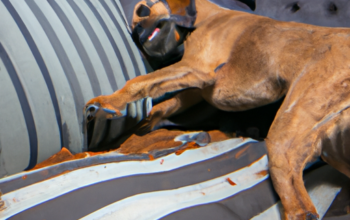
Signs of separation anxiety often manifest as destructive behavior, excessive barking or whining, and attempts to escape from the house. Your pet might also show signs of depression or lack of appetite.
Fortunately, there are treatment options available for dogs suffering from this condition. Consulting with a professional animal behaviorist or veterinarian can provide guidance on medication and behavioral modifications that can help manage your dog’s symptoms effectively.
Tips to Reduce Loneliness
Just as a ship seeks the comfort of its harbor, your furry friend craves your company when you’re not around, and there are some simple steps you can take to help alleviate their loneliness.
One effective strategy is providing interactive toys that keep them mentally stimulated and physically active. These toys often involve food or treats which add an extra incentive for play.
Another approach is considering companion pets. Dogs are social animals and often enjoy the company of other pets. However, it’s crucial to ensure compatibility before introducing a new pet into the household.
Here’s a quick summary:
| Strategy | Description |
|---|---|
| Interactive Toys | Keep dogs mentally stimulated and physically active; often involve food or treats |
| Companion Pets | Can provide companionship but must ensure compatibility |
Remember, every dog is unique so tailor these tips to best suit your pet’s needs.
Creating a Safe Environment for Your Pet
Ensuring your pet’s safety is paramount, and creating a secure environment in your home can significantly reduce their anxiety when you’re not around. That’s where pet proofing measures come into play.
Start by securing dangerous areas such as kitchens or staircases using safety gates; this will limit their access to potential hazards.
Safety equipment usage can also include monitoring devices, allowing you to keep an eye on your pet even when you’re away. Ensure that small objects, toxic plants, and chemicals are out of reach as these items could be harmful if ingested.
Remember to provide ample water sources and comfortable resting places for them too.
By taking these steps, you’ll create a safer space for your dog while reducing the stress of leaving them alone.
Frequently Asked Questions
What is the maximum amount of time a dog can safely be left alone?
“Can you imagine yourself alone for long hours? A dog’s breed and separation anxiety levels play a role. Ideally, dogs shouldn’t be left alone more than four to six hours. Longer periods could create stress.”
Are there any legal restrictions on how long dogs can be left unattended?
Legal restrictions on leaving dogs unattended vary by location. However, prolonged solitude can lead to dog anxiety issues, and neglect could result in legal consequences. Always verify local laws to ensure your pet’s wellbeing.
How do dogs’ bathroom needs factor into how long they can be left alone?
Puppy potty training schedules dictate that puppies need to go outside every few hours. Canine anxiety management is another factor, as stress can lead to more frequent bathroom needs. Never leave a dog alone for too long.
Can dogs be left alone overnight regularly?
Navigating the maze of Separation Anxiety Effects isn’t child’s play. Regularly leaving dogs alone overnight can cause distress and behavioral issues. Consider Overnight Dog Care options to maintain your pet’s health and emotional well-being.
How does the diet of a dog influence the duration they can be left alone?
Dietary impacts significantly influence how long you can leave your dog alone. Meeting their nutritional requirements ensures they’re not hungry or thirsty quickly, thus extending the duration of comfortable solitude for them.
Conclusion
You’ve made it, dog lover! Remember, every pooch is unique with varying needs based on breed and age.
An astonishing 20% of dogs experience separation anxiety. Let’s keep that number in check by ensuring our furry friends aren’t alone too long.
With keen understanding of canine behavior, a safe environment, and tips to combat loneliness, you’re well-equipped to support your pet’s wellbeing while you’re away.
Keep showing them love – they deserve it!