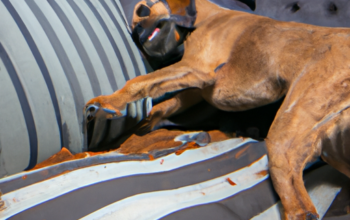
Like a rite of passage, teething is an inevitable phase in your puppy’s growth. It’s a stage where their tiny milk teeth make way for adult ones, inevitably causing discomfort and sometimes confusion.
You might find yourself asking: How long does this process last? What signs should I look out for? And most importantly, how can you help ease your furry friend’s transition through this stage?
This article will shed light on these questions, guiding you through the timeline of a puppy’s dental development and the telltale signs of teething. We’ll also provide tips to manage their discomfort and ensure they have healthy teeth going forward.
So buckle up and let’s embark on this informative journey together; because just like children, our four-legged companions deserve our care and understanding during such trying times.
Understanding Your Pup’s Dental Development
You’ll be amazed to know your pup’s dental development is a fascinating process that plays a huge part in their growth and well-being.
Just like human babies, puppies are born without teeth. Their 28 baby teeth start coming in around three weeks of age. This is the initial teething phase where they may chew more frequently to alleviate discomfort.
By the time your furry friend is about four months old, those baby teeth begin to fall out, making way for 42 adult dog teeth. This transition can cause some discomfort or pain for your puppy, which could lead them to chew more on toys or even household items.
Understanding this developmental stage helps you provide better care and comfort for your little buddy during this somewhat challenging time. Remember, patience is key while they navigate through this natural process.
Recognizing the Signs of Teething
Spotting those tell-tale signs of your little furball sprouting new teeth isn’t as tricky as you might think! First off, observe if they’re gnawing on anything they can get their tiny paws on. This could be toys, furniture, or even your hand! Teething puppies have a natural urge to chew to relieve the discomfort caused by those new teeth poking through.
Also, keep an eye out for excessive drooling. A small puddle under your pup’s mouth could indicate that teething is in full swing. You may also notice a slight change in eating habits; perhaps they’re eating slower due to tender gums.
Finally, don’t panic if you find tiny blood spots on chewed items—it’s likely from puppy teeth falling out and making way for adult ones. Understanding these signs helps ensure your pup’s smooth transition during this phase.
Timeline of the Teething Process
Navigating the maze of your fur baby’s teething process can feel like a journey into uncharted territory. But understanding the timeline can help you guide your puppy through this challenging phase with confidence and compassion.
-
Birth to 3 weeks: Puppies are born without teeth, but by three weeks, their first set of milk teeth start to emerge.
-
4 to 6 months: Here’s when things get interesting! This is the period in which puppies lose their baby teeth, and permanent adult teeth begin to grow in.
-
7 months onwards: By about seven months, most dogs should have a complete set of adult teeth.
Remember: every pup is unique; some may breeze through teething while others may find it more uncomfortable. Your role is crucial in making this transition as seamless as possible for your little companion.
Managing Teething Discomfort
Amid the whirlwind of chewed furniture and slobbery toys, it’s your job to help ease your fur baby’s discomfort during this toothy transformation.
Understandably, teething can be a stressful time for both you and your pup. But don’t worry, there are ways to alleviate their discomfort.
Firstly, provide them with safe chew toys specially designed for teething puppies. These usually have soft yet durable textures that massage their gums and soothe pain.
Secondly, consider introducing cold items like frozen carrots or ice cubes as these can numb the gums providing temporary relief.
Lastly, maintain regular vet check-ups to ensure everything is proceeding normally.
Remember, patience is key during this period. It might not be easy but in the end, it will all be worth it when you see your puppy’s healthy adult smile!
Ensuring Healthy Dental Development
You might be surprised to learn that by the age of 3, a staggering 80% of dogs exhibit signs of dental disease, so your role in ensuring healthy dental development for your furry companion is critical.
- Regularly monitor your puppy’s teething process.
- Look out for any abnormalities like retained baby teeth or misalignments.
-
If any issue arises, consult with your vet immediately.
-
Make sure you clean their teeth regularly.
- Daily brushing is recommended using dog-specific toothpaste.
-
Dental chews can also assist in keeping their mouths healthy.
-
Incorporate a balanced diet into their routine.
- Choose nutritious food that supports dental health.
- Provide chew toys to help strengthen their jaw muscles and keep teeth clean.
Remember, early intervention plays an essential role in preventing potential oral health issues down the line.
Frequently Asked Questions
What should I feed my puppy during the teething process?
During teething, feed your puppy high-quality puppy food. You can soften it with warm water for comfort. Additionally, provide safe chew toys to satisfy their urge to gnaw and help relieve some discomfort.
Are there certain dog breeds that have longer teething periods than others?
While you might think breed impacts teething duration, it’s not the case. All dog breeds generally experience teething for about six months. However, individual differences may slightly alter this timeframe; there’s no breed-specific standard.
Can teething affect my puppy’s behavior and how can I manage it?
Yes, teething can cause your puppy to be irritable, chew excessively or lose appetite. To manage it, offer cold chews, teething toys and use positive reinforcement when they chew on appropriate items. Consult a vet for severe cases.
Are there any serious complications that can occur during the teething process?
Just like a ship navigating rough seas, your pup may face challenges during teething. Serious complications are rare but can include gum infections or broken teeth. A vet’s guidance ensures smooth sailing through this period.
How do I clean my puppy’s teeth during the teething period?
To clean your puppy’s teeth during teething, gently brush with a soft-bristled toothbrush and dog-safe toothpaste. Regular brushing helps prevent dental issues and familiarizes your pup with oral care routines from an early age.
Conclusion
In the blink of an eye, your puppy’s teething phase will be over. It’s just a fleeting moment in your pup’s life that lasts about six months. Show patience and provide comfort during this tough time. With proper care and attention to their dental development, you’ll have set them up for a lifetime of healthy chomping! So brace yourself—it’s not always smooth sailing but it’s certainly worth the journey.