Did you know that a female dog’s heat cycle, also known as the estrous cycle, typically lasts between 2 to 4 weeks?
If you’re a dog owner, it’s crucial for you to understand this natural reproductive process. This article will guide you through the various stages of a dog’s reproductive cycle, helping you recognize when your furry friend is in heat.
We’ll delve into signs indicating your canine companion is experiencing their estrous cycle and discuss health and care considerations during this time. Additionally, we’ll explore breeding and contraception options available for your pet.
Let’s embark on this enlightening journey about canine reproduction together – because understanding your pooch better can make a world of difference in their well-being!
Defining the Canine Estrous Cycle
You’ve got to understand that a dog’s estrous cycle, also known as their heat cycle, typically lasts about six months but can vary between breeds and individual dogs. It all starts with hormonal changes impacting your furry friend. These shifts in hormone levels trigger the onset of the heat cycle, leading to noticeable canine behavioral shifts. You may observe increased restlessness or a sudden change in appetite, for instance.
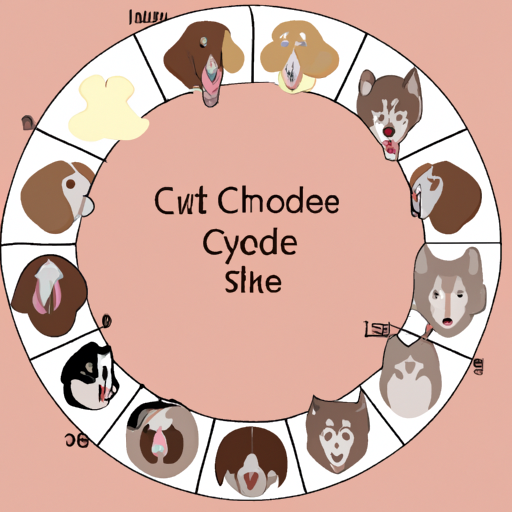
The estrous period itself is divided into four stages: proestrus, estrus, diestrus, and anestrus. Each stage is characterized by specific hormonal fluctuations and accompanying physical changes — from swollen vulva to blood-tinged discharge during proestrus.
So yes, understanding your pet’s heat cycle can be quite complex due to such variations. But knowing these details helps you provide optimal care for your canine companion.
Identifying the Stages of a Dog’s Reproductive Cycle
Ever wondered about the intricate stages of your pup’s reproductive journey? Understanding the phases of a dog’s heat cycle is crucial to responsible pet ownership and puppy development.
-
Proestrus: This initial phase lasts for about 9 days. Your dog’s body undergoes hormonal changes, preparing for potential pregnancy.
-
Estrus: Known as the ‘heat’ stage, this lasts around 9 days too. Your pup is fertile and receptive to males.
-
Diestrus: Lasting approximately two months, this stage occurs whether or not your dog has been bred.
-
Anestrus: The final rest period before everything starts again!
By knowing these stages, you’re better equipped to manage your pet’s behavior and wellbeing during her reproductive cycle – an important part of responsible pet ownership!
Recognizing Signs of Your Canine in Heat
Curious about the telltale signs that your furry companion might be in her fertile period? It’s crucial to recognize these indicators and avoid any heat symptoms misinterpretation.
Your dog may exhibit significant behavioral changes during her heat cycle, which can impact her normal routine. First, she may become more affectionate or alternatively, seem unusually moody; both are common responses to hormonal fluctuations. Her appetite might increase or decrease noticeably, and you may observe a swollen vulva or spotting as physical signs of heat. Frequent urination is also a typical symptom as she uses scent marking to signal potential mates.
Remember, while these are common signs, every dog differs slightly. If unsure about whether your dog is in heat, always consult with a veterinary professional for an accurate assessment.
Health and Care Considerations During the Estrous Cycle
Bet you thought your pampered pooch was high maintenance before, well brace yourself for the hormone hurricane that’s about to hit! During a dog’s heat cycle, her health and care needs change drastically.
This is mostly due to her increased nutritional requirements and changes in heat-related behavior. It’s crucial to understand these changes so you can provide optimal care.
| Before Heat Cycle | During Heat Cycle | After Heat Cycle | |
|---|---|---|---|
| Nutritional Needs | Stable | Increased | Returns to normal |
| Behavior | Normal | Restless, anxious | Resumes normality |
| Health | Regular check-ups | Frequent monitoring required | Regular check-ups |
Remember, each dog will react differently. Some may show extreme behavioral changes while others might only need slight adjustments in their diet. Always consult with your vet if you notice any drastic changes or concerns during this period.
Breeding and Contraception Options for Your Pet
Navigating the world of pet breeding and contraception options can feel like stepping into a labyrinth filled with medical jargon and complex decisions. But, don’t fret! Here’s a simple guide to help you understand the basics:
-
Neutering Benefits: More than just preventing unwanted puppies, neutering your male dog can reduce aggressive behavior, eliminate the risk of testicular cancer, and prevent certain prostate problems.
-
Spaying Procedures: This surgical procedure removes a female dog’s ovaries and uterus. The benefits range from eliminating heat cycles and reducing the risk of breast cancer to stopping uterine infections.
-
Breeding Options: If you’re considering breeding your dog, seek professional advice first about potential genetic issues or health risks.
Remember that responsible pet ownership involves making informed decisions for your furry friend’s well-being.
Frequently Asked Questions
What are some potential behavior changes in dogs during their heat cycle?
During your dog’s heat cycle, you may notice emotional fluctuations such as increased agitation or affection. Appetite changes are also common, with some dogs eating more, and others less than usual.
Can a dog’s heat cycle be affected by their overall health condition?
Yes, a dog’s heat cycle can be impacted by their overall health condition. Both disease impact and nutritional influence can affect the regularity and duration of their reproductive cycles. Always monitor your dog’s health closely.
How does a dog’s age influence the length and frequency of its heat cycles?
As your dog ages, the frequency and length of its heat cycles may decrease due to age-related infertility. Senior dog reproduction can be less predictable, with some older dogs even skipping heat cycles altogether.
Are there specific breeds that have unusual or irregular heat cycles?
Yes, breed specific heat cycles can influence irregular heat patterns. For instance, Basenji dogs only cycle once a year, unlike most breeds. Always consult a vet if you notice any unusual changes in your dog’s cycle.
What potential complications can arise during a dog’s heat cycle?
Don’t put all your eggs in one basket. During a dog’s heat cycle, Emergency Care might be needed for potential complications like Infection Risk. This can arise from pyometra or even false pregnancy, so stay vigilant.
Conclusion
So, you’ve now become a seasoned expert on your canine’s reproductive cycle, haven’t you?
A bit ironic, considering we’re discussing dogs and not humans.
Remember though, it’s crucial to monitor their health during this time.
You’ve got options for breeding or contraception – don’t forget that.
Your pet relies on your newfound wisdom!