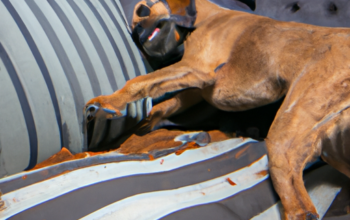
Pouncing puppies are precious, playful, and require plenty of peaceful slumber.
You’ve probably noticed your new furry friend snoozing a lot more than you expected. But just how many hours a day does a puppy sleep? It’s an important question to ask as proper rest is crucial for their development and wellbeing.
In this article, we’re going to delve into the details of your puppy’s sleep cycle, including the factors that influence it and why it’s so vital for their growth. We’ll also help you recognize signs of sleep deprivation in your young pet and provide tips on how to establish healthy sleeping habits right from the start.
Understanding these aspects can aid in nurturing an energetic, happy, and healthy pup who will bring endless joy into your life.
So sit back, relax, and let’s guide you through getting to know your puppy’s dream world better!
Understanding Your Puppy’s Sleep Cycle
You’ll find it fascinating to delve into the mysterious world of your puppy’s sleep cycle, which is quite different from our own!
Unlike humans, puppies are polyphasic sleepers, meaning they have multiple periods of wakefulness and sleep throughout a 24-hour day. They don’t have a consolidated sleeping schedule like we do. Instead, their sleep-wake cycle revolves around their feeding times and play sessions.
In general, puppies will spend about five hours awake during the day and then retire for an extended nap. When you observe them sleeping, you’ll notice periods of twitching and quiet rest. These are signs that they’re cycling through REM (Rapid Eye Movement) and non-REM stages of sleep respectively – just like us!
Understanding these patterns can greatly enhance your ability to care for your furry friend effectively.
Factors Affecting Puppy Sleep Patterns
Just like a newborn baby, a little furball’s sleep pattern can be influenced by several factors such as age, diet, and activity levels.
Here are some facts you should keep in mind:
-
Age: Puppies need more sleep than adult dogs. As they grow older, their sleep time decreases gradually.
-
Diet: The type and amount of food your puppy consumes can affect its sleeping patterns. A balanced diet helps maintain healthy sleep cycles.
-
Activity Levels: Active puppies tend to sleep more due to the energy expended during playtime or training sessions.
-
Health Status: Illnesses or medical conditions may disrupt your pup’s sleep.
Understanding these influences can help you better care for your puppy and ensure it gets adequate rest for optimal growth and development.
Importance of Sleep for Puppy Development
Don’t underestimate the power of a good snooze for your young fur friend. Sleep plays an essential role in their overall growth and development. When puppies sleep, they’re not just idling away; their bodies are hard at work developing bones, muscles, and brain connections.
| Importance of Sleep | Explanation |
|---|---|
| Brain Development | Puppies learn and retain information during their wakeful hours but it’s during sleep where this new knowledge gets consolidated. |
| Physical Growth | The growth hormone is primarily secreted during deep sleep, aiding in the healthy development of your puppy’s body. |
| Behavioural Balance | Adequate sleep ensures your puppy remains playful yet disciplined, minimizing behavioural issues like excessive barking or biting. |
| Immunity Boost | Quality sleep strengthens the immune system, helping to fend off potential illnesses. |
So ensure your little one gets plenty of rest for a healthy life ahead!
Recognizing Signs of Sleep Deprivation in Puppies
Spotting signs of sleep deprivation in your fur baby can be tricky, but it’s crucial for their overall well-being. By understanding what to look out for, you’re better equipped to ensure your puppy gets the rest they need.
Here are four key signs of sleep deprivation:
-
Hyperactivity: It may seem counterintuitive, but puppies often become overactive when they’re overtired.
-
Irritability: Lack of sleep can make your pup more cranky and less tolerant.
-
Difficulty settling down: An overly tired puppy may struggle to calm down and relax.
-
Decreased responsiveness: Your pup might not respond as quickly or effectively to commands.
If you notice these symptoms in your puppy, consider adjusting their nap schedule or bedtime routine to help them get enough sleep for healthy growth and development.
Tips for Establishing Healthy Sleep Habits for Your Puppy
Nestling your furry friend into a cozy, dimly lit corner at the end of a stimulating day could be the key to setting up healthy sleep habits, allowing them to drift off into dreamland effortlessly. As their guardian, you’re responsible for creating an environment conducive to rest.
Here are some tips:
| Do’s | Don’ts |
|---|---|
| Set consistent bedtimes and wake-up times | Don’t allow late-night play sessions |
| Provide comfort items like soft blankets or toys | Avoid caffeine and chocolate near bedtime |
Incorporate these practices into your pup’s routine; consistency is crucial. By doing so, you’re not only ensuring they get adequate sleep but also nurturing good health. Remember, service begins with caring for those dependent on us; in this case, our loving puppies.
Frequently Asked Questions
What are some common issues that can disrupt a puppy’s sleep?”
Common issues that can disrupt your puppy’s sleep include anxiety, discomfort from illness or teething, hunger, a change in environment, and lack of routine. It’s crucial to address these problems for their wellbeing.
Can a puppy’s diet affect its sleep pattern?”
“Sure, we’re not talking about wine and cheese pairings here, but yes, a puppy’s diet can absolutely affect its sleep pattern. Poor nutrition can lead to digestion issues that disrupt their snooze fest.”
Are there any specific breeds that require more or less sleep?”
Yes, breed can influence a puppy’s sleep needs. Larger breeds like Newfoundlands often require more sleep, while smaller breeds may need less. However, each pup is unique and individual needs may vary.
How does a puppy’s sleep pattern change as it grows into an adult dog?”
Like a blossoming flower adjusts to sunlight, your puppy’s sleep pattern evolves. It sleeps less as it matures into an adult dog, typically needing 12-14 hours compared to the 18-20 hours during its puppy stage.
Can toys or certain types of bedding influence a puppy’s sleep?”
Yes, toys and bedding can influence your puppy’s sleep. Soft, comfortable bedding can promote better sleep. Chew toys can help tire them out before bedtime, leading to a deeper, more restful sleep.
Conclusion
As you watch your puppy snooze, remember they’re not just dreaming of chasing squirrels. Those hours of slumber are vital for their growth and development.
Recognize signs of sleep deprivation and establish healthy sleeping habits. With understanding and care, you’ll ensure your pup grows into a happy, healthy adult dog.
Your home will echo with the contented sighs of a well-rested puppy, ready to explore the world each bright new day.