Let’s cut to the chase — if you’ve ever wondered how much your four-legged friend sleeps, then this article is just for you.
Dogs, like humans, have specific sleep patterns and requirements that are influenced by a variety of factors including age, breed, health status, and activity level. Understanding these variables can help you ensure that your pet gets enough rest to maintain optimal health.
Diving into the world of canine sleep might seem overwhelming at first. However, as we unravel the complexities of their sleeping habits and cycles in detail, we’ll gain a better understanding of what is normal or abnormal behavior.
From sleep disorders to the influence of activity levels on sleep duration – we will explore it all. As an informed dog owner, this knowledge will empower you to make better decisions about your pooch’s lifestyle and well-being.
So let’s get started on this journey towards understanding our dogs’ slumber secrets!
Factors Influencing Canine Sleep Patterns
Just like us humans, a dog’s sleep pattern isn’t set in stone and can be influenced by a bunch of different factors – it’s not all about chasing their tail in dreamland!
One primary factor that affects canine sleep patterns is breed differences. Some breeds naturally require more sleep than others; for example, larger breeds such as Mastiffs or St. Bernards tend to sleep more than smaller ones like Terriers or Chihuahuas. This is primarily due to the higher energy expenditure associated with maintaining larger body sizes. Furthermore, research has indicated that brachycephalic breeds (those with short noses like Bulldogs or Pugs) may have disrupted sleep due to breathing difficulties.
The other significant factor influencing your pooch’s slumber time is their age. Dogs, much like humans, go through various life stages which significantly impact their sleeping habits. Puppies are known to snooze away up to 20 hours a day as they grow and develop rapidly during this period.
On the contrary, adult dogs usually need around 12-14 hours of daily rest depending on their activity levels and overall health status – less active or older dogs may require more downtime. As your furry friend enters its golden years, you may notice an increase in nap times due to reduced energy levels and slower metabolic rates often seen in senior canines.
Understanding the Sleep Cycle of Dogs
It’s not always a walk in the park to comprehend the sleep cycle of our canine companions. Just like us, dogs have different stages of sleep: wakefulness, non-rapid eye movement (NREM), and rapid eye movement (REM) where ‘Dog Dreams’ usually occur.
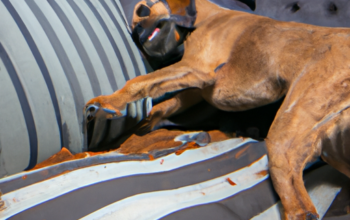
However, dogs tend to enter REM sleep more quickly than humans and spend less time in this stage overall. It’s during the REM phase that your dog might twitch or move their paws as if running – signs that they could be dreaming.
Paying attention to your dog’s Sleep Environment can significantly impact their rest quality and duration. Consider these factors:
- Comfort: Ensure your pet has a comfortable place to snooze such as a soft bed or even a couch if allowed.
- Noise: Dogs have sensitive hearing so try to provide them with a quiet space for uninterrupted sleep.
- Temperature: Dogs can’t sweat like humans so make sure their sleeping area isn’t too hot nor too cold.
Remember, every dog is unique and may require different conditions for optimal rest. If you’re concerned about your dog’s sleep patterns, don’t hesitate to consult with your vet for personalized advice tailored specifically for your pup!
Puppies and Sleep: What to Expect
Brace yourself for an overload of cuteness, because when puppies aren’t busy exploring their new world and melting your heart, they’re often curled up snoozing! Puppies sleep a lot—between 18 and 20 hours per day during their first few weeks. It’s all part of their growth phase, which includes developing their central nervous system, brain, body mass, and immune system. They usually fall into a deep slumber quickly; this is when most of the growth and development occurs.
The amount of sleep varies somewhat between breeds due to differences in size, activity level, and rate of development.
Now let’s talk about the importance of establishing good sleep habits early on using Sleep Training Techniques. Just like human babies, puppies are not born with a natural sleep-wake cycle—it develops over time. To help your puppy adjust to a healthy sleeping pattern, you should set regular feeding times (as digestion can affect sleep) and provide plenty of exercise during waking hours to ensure they’re tired out by bedtime.
Also, remember that while it might seem like all breeds could sleep the same amount given they’re puppies still growing up – that’s not necessarily true. Breeds’ Sleep Differences play a role as larger breeds tend to need more sleep than smaller ones due to their rapid growth rates. So always take into account your puppy’s specific needs based on its breed characteristics.
The Role of Activity Level on Sleep Duration
Like a wind-up toy that’s been fully spun, your energetic puppy can suddenly run out of steam and flop down for a nap after a good play session. This sudden shift in energy levels is not at all unusual and it’s directly linked to their activity level. The more active the dog, the more sleep they will need to recover and recharge. Puppies especially require frequent naps due to their high-energy play sessions and growth needs.
Just as humans do, dogs experience Sleep Duration Variations based on numerous factors including age, breed, health status and importantly – activity level. Dogs with higher activity levels tend to sleep longer; this is because physical exertion requires recovery time during which the body repairs itself – an important Activity Influence Consequence.
Let’s take a look at how varying levels of activity might impact your pup’s shuteye:
| Activity Level | Average Awake Time | Estimated Sleep Time |
|---|---|---|
| Low (senior dogs or less active breeds) | 8-10 hours | 14-16 hours |
| Moderate (adult dogs) | 10-12 hours | 12-14 hours |
| High (Working dogs or puppies) | 6-8 hours | 16-18 hours |
Remember: these are just estimates. Individual sleep needs can vary widely among dogs just like they do in people!
Sleep Disorders in Dogs
While we’ve covered how activity levels can influence your pup’s slumber, there’s another important aspect to consider: sleep disorders in our furry friends.
Just like humans, dogs can also suffer from a range of sleep disorders that can disrupt their normal sleeping patterns and overall health. One such disorder is ‘Sleepwalking Canines’, also known as somnambulism. This condition involves dogs acting out their dreams while they are physically asleep. They may run, bark, or even exhibit aggressive behavior during these episodes. While it’s rare, it can be triggered by lack of quality sleep or an excessive amount of REM (rapid eye movement) sleep.
Another common issue is ‘Dreaming Disorders’. Dogs do dream just like us, and it’s generally a normal part of their sleep cycle. However, sometimes these dreams can become disturbing or overly intense for them, causing physical reactions such as twitching, whining, or paddling their legs as if running in a dream chase! It could be compared to nightmares in humans, and just like us, repeated nightmare episodes could lead to disturbed sleep patterns for your pup too!
In both cases – Sleepwalking Canines and Dreaming Disorders – veterinary care should be sought to ensure that there aren’t any underlying health issues contributing to the abnormal behaviors during rest times.
Frequently Asked Questions
What are some signs that my dog is not getting enough sleep?
Sleep deprivation effects in dogs mirror those in humans. If your dog’s sleep disorders manifest as excessive daytime drowsiness, decreased activity, irritability, and difficulty focusing, they may not be getting enough rest.
How does a dog’s breed affect their sleep needs?
Like people, dogs’ sleep needs can vary greatly due to Breed Sleep Variations and Genetic Sleep Factors. Certain breeds require more sleep than others, while some are genetically predisposed to be more active and alert.
Can changes in my dog’s sleeping habits indicate health problems?
Yes, changes in your dog’s sleep patterns can signal health issues. Dietary influences and behavioral changes often accompany these shifts. Sudden excess sleep or insomnia warrants a vet visit for thorough evaluation.
How can I help my dog get better quality sleep?
To improve your dog’s sleep quality, optimize their sleep environment. Choose comfortable, supportive bedding tailored to their size and preference. Limit noise and light disturbances. Maintain regular sleep routines for consistency and reassurance.
Are certain sleeping positions normal or should I be concerned?
Most dog sleeping positions are normal and often indicate they’re having dog dreams. However, if you notice abnormal behaviors like excessive twitching or whimpering, it could signal sleep disorders. Consult your vet if concerned.
Conclusion
In wrapping up, you’ve discovered that a dog’s sleep pattern is influenced by various factors, including their age and activity level.
Puppies, with their boundless energy, need more sleep than adults while dogs with high activity levels require less.
However, remember to keep an eye out for any signs of sleep disorders in your furry friend.
Understanding these patterns not only ensures they’re getting the rest they need but also contributes to their overall health and well-being.