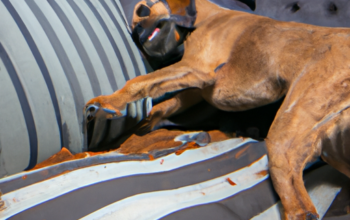
Imagine this: you’ve just brought home a darling new puppy. You’re smitten with his fluffy fur, cute antics and boundless energy, but there’s just one problem — your little bundle of joy is also a bundle of sharp teeth! If you’re struggling to stop your pup from using you as a chew toy, don’t worry; you’re not alone.
Many new pet parents grapple with the same issue. The good news is that it’s completely natural for puppies to chew and bite as they go through their teething process. However, teaching them to direct this normal behavior in a proper way is crucial – for both your household items’ safety and the development of your pup’s manners.
This article will guide you on how to handle puppy biting by understanding their teething process, using chew toys effectively, applying positive reinforcement techniques, redirecting biting behavior, and conducting training sessions. Armed with these strategies, let’s transform that playful nipping into healthy chewing habits together!
Understanding the Teething Process
You’ve gotta remember, your pup’s not biting to be naughty – they’re just going through that uncomfortable teething process we all know too well.nnThey’re just going through that uncomfortable teething process we all know too well.nnAs their baby teeth fall out and adult teeth come in, they’ll chew on anything to relieve the pain.nnThis period typically starts around three weeks old and can last until six months.nnSo, it’s essential you understand this natural phase of puppyhood.
Now, how can you show some love while alleviating their discomfort?nnOffering them chew toys specifically designed for teething puppies is a great start.nnThey are durable enough to withstand those sharp little chompers and provide much-needed relief.nnRegularly play with your pup using these toys so they associate them with good times instead of your hands or furniture!
Proper Use of Chew Toys
Chew toys aren’t just a drop in the bucket when it comes to curbing your young dog’s gnawing habits; they play a pivotal role. Proper use of chew toys can help redirect your puppy’s biting behavior towards more acceptable objects, reducing the chances of destructive chewing on furniture or personal items.
Here is a table that might make you consider the proper use of chew toys:
| Chew Toy Type | Emotional Response | Puppy Benefit |
|---|---|---|
| Squeaky Toys | Excitement, Joy | Stimulates Mental Activity |
| Rubber Kongs | Satisfaction | Soothes Teething Pain |
| Dental Chews | Relief | Promotes Dental Health |
Choose wisely and ensure you’re using these tools effectively. Remember, serving others includes our furry friends too. They need guidance and patience as they learn about their world.
Positive Reinforcement Techniques
When it comes to training your young furry friend, positive reinforcement techniques prove to be an extremely effective method. Instead of punishing bad behavior, reward the good one.
For instance, if your pup ceases biting when you command ‘stop,’ shower them with praises or give a doggy treat.
The core idea is to make your puppy understand that not biting earns rewards. Remember, consistency is key. If you’re sporadic in rewarding good behavior, it will confuse them and could even lead to more biting.
In essence, positive reinforcement isn’t just about immediate obedience; it’s about cultivating long-term habits for a happier pet-owner relationship. So keep encouraging those non-biting moments and watch as your little chewer transforms into a well-behaved companion.
Redirecting the Biting Behavior
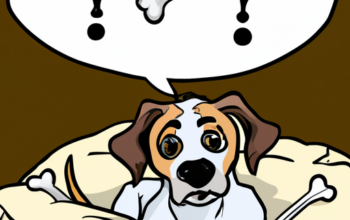
Like a magician, divert your young canine’s biting behavior towards more appropriate outlets. When your pup starts getting nippy, offer them a chew toy or bone instead of your hand. This not only protects you from those sharp teeth but also teaches them what’s acceptable to gnaw on.
It’s best if these items are different textures and hardnesses so they can satisfy their need to explore with their mouths. Remember, puppies bite as a way of exploring their world, similar to how human babies touch everything within reach. Be patient and consistent in this method; it takes time for pups to understand what we want from them. With gentle guidance and positive reinforcement, you’ll soon have a well-mannered furry friend.
Training Sessions to Curb the Habit
You’ll find that incorporating training sessions into your daily routine can effectively curb your young dog’s nippy habits. Start with simple commands like ‘sit’, ‘stay’, or ‘leave it’. Puppies, curious and eager to please, often respond well to positive reinforcement. Reward your pup for good behavior with treats or praise.
Next, introduce a ‘soft mouth’ training method. This involves teaching your puppy how to control the force of their bite. When they play-bite, react loudly as if you’re hurt even if it didn’t really cause pain. This will signal them that their bite is too strong.
Remember, patience and consistency are key in these training sessions. Your dedication serves not only you but others who interact with your dog in the future by promoting safer canine-human interactions.
Frequently Asked Questions
What are some home remedies to soothe my puppy’s teething pain?
You can soothe your puppy’s teething pain by offering chew toys or frozen treats. Apply clove oil sparingly on gums, it’s a natural analgesic. Regularly massage their gums to alleviate discomfort; they’ll appreciate the relief.
How can I treat my puppy’s wounds from excessive biting?
Like a seasoned vet, gently clean your puppy’s wounds with warm water and mild soap. Apply an over-the-counter antibiotic cream. If it’s serious, rush to the vet like a bolt of lightning for professional care.
Are there any specific diets that could help in reducing my puppy’s biting habit?
There’s no specific diet to curb your puppy’s biting habit. However, providing chewable toys or treats can help. Also, ensure a balanced diet for overall health, which indirectly affects behavioral issues like biting.
What are the signs that my puppy’s biting is not just teething but a behavioral issue?
If your pup bites aggressively, ignores yelps of pain, or doesn’t respond to redirection techniques like offering chew toys, it’s likely a behavioral issue. Seek help from a professional dog trainer for guidance.
If my puppy continues to bite despite training attempts, when should I consult a professional?
If your puppy keeps biting despite consistent training, it’s time to call a professional. Usually, if there’s no improvement after several weeks of consistent training, an expert should be consulted for additional help.
Conclusion
Well, there you have it. You’re now an expert on the canine version of toddler teething tantrums. With your arsenal of chew toys and a firm grasp on the art of redirection, those nippy antics won’t stand a chance.
Remember, positive reinforcement is key and consistency is queen! May your training sessions be fruitful and your fingers remain untouched.
Here’s to surviving puppyhood’s little bite-sized challenges!