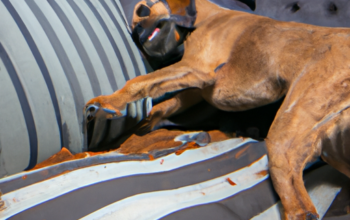
As the saying goes, ‘it’s a dirty job, but someone’s got to do it.’ In this case, that someone may be you. If your dog is scooting across the floor or obsessively licking their rear-end, they might need help with their anal glands. These small sacs located near a dog’s anus can sometimes become blocked and uncomfortable for your furry friend.
It’s not exactly dinner table conversation, but knowing how to squeeze your dog’s anal glands is a necessary part of pet care that will keep them happy and healthy. This article will guide you step by step through the process – from understanding why it’s necessary, preparing for the task at hand to correctly carrying out the procedure along with possible complications and post-procedure care.
Trust us; it’s simpler than you think!
Understanding the Need for the Procedure
You might be wondering why on earth you’d need to squeeze your dog’s anal glands, right? Well, there’s a logical explanation for this.
Dogs have two small glands located near their anus known as anal glands. These glands secrete fluid that dogs use for marking territory and communicating with other canines.
Now when it comes to gland functionality, sometimes these anal glands don’t empty properly. This can lead to discomfort or even serious health issues such as Anal Gland Disorders including impaction, infection, or abscesses. If left untreated, these disorders could require a painful surgery or even cause long-term damage.
So squeezing your dog’s anal glands – also known as expressing them – helps in preventing such complications by ensuring they’re emptied out regularly and function correctly.
Preparing for the Task
Before diving into this delicate procedure, it’s critical to gather all necessary supplies and ensure the environment is calm and comfortable for your furry friend.
Firstly, invest in Personal Protective Equipment (PPE). This includes gloves for hygiene purposes and safety glasses for protection against any unexpected sprays.
Secondly, prepare a clean Grooming Environment. This could be a well-lit bathroom or grooming area that can be easily cleaned afterwards.
Lastly, assemble the right tools – absorbent paper towels or cloths and potentially a dog-friendly lubricant.
Remember, preparation sets the stage for a successful task execution while minimizing discomfort for your pet.
The Correct Method
Getting this done right isn’t as tough as it sounds – let’s walk through the steps together. First, understand the gland location specifics. Your dog’s anal glands are situated at approximately four and eight o’clock positions around their anus. Wearing disposable gloves, gently lift your dog’s tail and locate these small, pea-sized glands.
The timing regularity is essential to avoid discomfort and potential health problems for your pet. If your dog doesn’t naturally express their glands during defecation, you might need to do this every month or so.
Apply gentle pressure on each gland using your thumb and forefinger and squeeze inwards towards the rectum. You’ll feel a slight give when they’re emptied correctly. Remember: if you encounter resistance or your pet seems distressed, stop immediately and consult with a vet.
Possible Complications
Let’s be real, things can sometimes go wrong when you’re trying to express your pooch’s backside, despite your best intentions. It’s important to know what complications could arise.
-
Infection risks: If the area isn’t properly cleaned before and after the procedure, bacteria may find its way into the glands causing an infection.
-
Gland rupture: This happens if too much pressure is applied or if the gland is already inflamed or infected.
-
Bleeding or swelling: Excessive force could lead to these complications.
-
Repeated impactions: Some dogs are prone to this issue. Regular expression might not solve it and professional help may become necessary.
-
Pain or discomfort for your dog: Poor technique can cause unnecessary distress.
If you notice any of these issues, consult a vet immediately.
Post-Procedure Care and Maintenance
After you’ve successfully expressed your pup’s anal glands, it’s critical to ensure proper aftercare and regular maintenance to keep them comfortable and healthy. Gland infection prevention is a significant part of this process. Clean the area gently but thoroughly with warm water and mild soap; this helps thwart potential infections.
Monitor your dog for signs of discomfort, such as excessive licking or scooting, which could signal an infection.
In terms of post care diet, consider adding fiber-rich foods to their meals. Fiber can help make stools bulkier, naturally applying pressure on the glands during bowel movements for natural expression. Also, maintain a regular vet check-up schedule to monitor gland health over time.
Remember that with consistent care and attention, you’ll be able to safeguard your pet against any discomfort or complications.
Frequently Asked Questions
What are the signs that my dog’s anal glands are full or impacted?
Symptom recognition is key in identifying full or impacted anal glands. If your dog’s scooting, licking the area excessively, or showing discomfort when sitting, these may signal a need for a vet consultation.
Are there any specific breeds prone to anal gland problems?
Yes, certain breeds like Basset Hounds, Cocker Spaniels, and Chihuahuas show genetic predispositions to anal gland problems. Breed specific treatments may be necessary based on the severity and frequency of the issue.
Can my dog’s diet affect the state of their anal glands?
Absolutely, your dog’s diet can impact their anal glands. Dietary adjustments, particularly increasing fiber intake through fiber supplements, can help bulk up stools and promote regular gland emptying. Always consult a vet for guidance.
Is there a way to prevent my dog’s anal glands from getting full or impacted?
Just as a car needs regular oil changes, your dog’s anal glands require routine cleaning. By adjusting gland cleaning frequency and scheduling regular vet checks, you can prevent impaction and ensure their optimal health.
Can a dog’s behavioral changes indicate an issue with their anal glands?
Yes, behavioral alterations in your dog can indicate issues with their anal glands. If they’re frequently scooting or licking the area, it may signal a need for gland expression techniques. Consult a vet for professional advice.
Conclusion
In conclusion, if your pup’s bum is causing a stink, don’t panic. Give those anal glands a squeeze!
Admittedly, it’s not the most glamorous task but hey, you signed up for this when you got a dog. Remember to approach with caution and care – complications can turn a slight discomfort into an ‘oh-crap’ situation.
Keep on top of post-procedure maintenance because frankly, neither of you wants to revisit this too often.