Like a ship adrift at sea, your dog may feel lost and anxious when left alone. This is referred to as separation anxiety, a common issue faced by many pet owners. It’s essential to understand that this isn’t just about a lack of discipline; it’s a genuine emotional distress your furry friend experiences.
With a good understanding of the causes and signs of this distress, you can take practical steps to alleviate your dog’s fear. Proper training for alone time along with suitable toys and activities can help distract them from their anxiety. However, in some cases, seeking professional help might be necessary if the problem persists or escalates.
Armed with knowledge and compassion, you’re well on your way to ensuring that your dog feels safe and secure even when you’re not around.
Understanding Your Dog’s Distress
When you gaze into those soulful eyes, it’s clear that your pup is more than just a pet – they’re family, and understanding their distress due to separation anxiety can feel as heartbreaking as watching a child suffer.
Dealing with this issue requires an understanding of a dog’s emotions and canine psychology.
Dogs are highly social animals that form strong emotional bonds with their human companions. So when you leave, they may experience fear or distress.
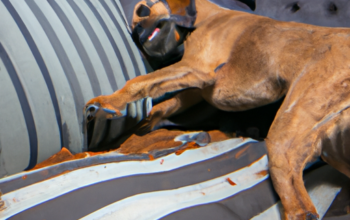
Signs of separation anxiety in dogs can include excessive barking, destructive behavior, urinating or defecating indoors. You must remember that these actions are not rebellion; rather they’re manifestations of your dog’s emotional turmoil.
By comprehending the root cause of such behaviors, you’re taking the first crucial step towards helping your furry friend manage their separation anxiety effectively.
Practical Steps to Reduce Fear
Isn’t it time we consider practical steps to alleviate our furry friends’ fear?
Recognizing anxiety signs in your dog is vital, but what’s next?
-
Create a Safe Place: Designate a secure area for them at home where they feel comfortable and safe.
-
Use Comforting Techniques: Gentle petting or soothing words can help calm an anxious dog. Try using comforting items like weighted blankets designed for pets.
-
Offer Distractions: Engage them with their favorite toys or treats when they start showing signs of distress.
-
Seek Professional Help: If the anxiety persists, consult a vet or animal behaviorist who can provide tailored guidance and possibly medication if necessary.
Remember, patience is key as you help your canine pal navigate through their anxiety journey.
Training Your Dog for Alone Time
Training your pup to enjoy their solo time can be akin to teaching a toddler the joys of quiet play: it takes persistence, gentle guidance, and plenty of positive reinforcement. Establishing a routine helps in achieving this goal.
Here’s a simple 3-column strategy:
| Step | Action | Desired Outcome |
|---|---|---|
| 1 | Consistent Feeding Times | Settle into predictable patterns |
| 2 | Creating Comfortable Spaces | Make them feel safe and secure |
| 3 | Gradual Alone Time Increase | Reduce anxiety over time |
| 4 | Reward Calm Behavior when Leaving/Returning Home | Encourage desired behavior |
| 5 | Consult Veterinary Behaviourist if needed | Professional assistance |
Remember, success lies in patience and consistency. Over time, they’ll become more comfortable with alone time reducing their separation anxiety significantly.
Suitable Toys and Activities for Distraction
You’ll find that keeping your furry friend engaged with suitable toys and activities can be a game-changer in helping them enjoy their alone time.
Chew Toy Selection is crucial, as these items provide mental stimulation and satisfy your dog’s natural chewing instinct.
-
Treat-Dispensing Toys: These are interactive toys that challenge your pet mentally while rewarding them with treats.
-
Durable Rubber Chew Toys: These last longer and prevent destructive chewing.
-
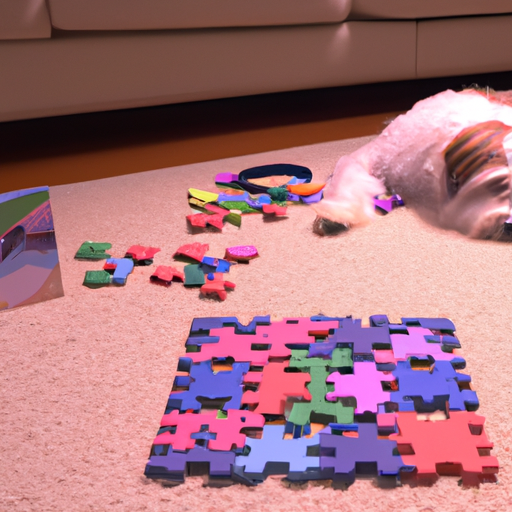
Puzzle Toys: Such toys engage your pet for longer periods, enhancing cognitive skills.
-
Interactive Play Sessions: Before leaving, spend quality playtime with your dog to drain energy levels which may reduce anxiety.
By providing an array of activities and distractions, you can help alleviate separation anxiety in dogs effectively, ensuring they’re occupied during their alone time.
When to Seek Professional Help
Sometimes, despite your best efforts, the storm just won’t pass. It’s like trying to calm a hurricane with an umbrella; no matter how many toys or distractions you’ve provided, your furry friend still struggles during alone time. In such cases, it might be time to consider seeking professional help.
A veterinary intervention can provide insight into any underlying physical conditions that may exacerbate separation anxiety in dogs. These professionals are trained to recognize and diagnose various health issues which could be contributing factors. They also have access to medication options if necessary.
Drugs can range from calming supplements to prescription medications designed for anxiety disorders in pets. While these shouldn’t be your first course of action, they can significantly improve your dog’s quality of life when other methods fail.
Frequently Asked Questions
What are some common symptoms of separation anxiety in dogs?
Common symptoms of your dog’s separation anxiety include destructive behavior, excessive barking, pacing or escaping attempts. Understanding these anxiety triggers is crucial for effective anxiety management in your pet.
Are certain breeds more prone to separation anxiety than others?
While there’s no definitive list, breed specific behaviors may make some dogs more prone to separation anxiety. Anxiety triggers can vary greatly, so understanding your dog’s unique reactions is key to managing this issue.
How can changes in my own lifestyle affect my dog’s separation anxiety?
Surprisingly, up to 40% of dogs exhibit separation anxiety. Your lifestyle changes like increased exercise benefits your pet by reducing their stress. Similarly, environmental adjustments at home can create a calmer space for them.
Can medication be a solution for my dog’s separation anxiety?
Yes, medication can help manage your dog’s separation anxiety. However, it can have side effects and isn’t a cure-all. It’s best used alongside alternative therapies such as behavior modification training for a comprehensive approach.
Do puppies experience separation anxiety more than adult dogs?
While puppy socialization and crate training can help, puppies are indeed more prone to separation anxiety than adult dogs. Their inexperience and dependency make them highly susceptible to these feelings of distress.
Conclusion
In conclusion, you’re not alone in dealing with your dog’s separation anxiety. It can be tough, but understanding their distress, training them for alone time, and using suitable distractions can help ease the fear.
If all else fails, don’t hesitate to seek professional help. Remember, every step towards a stress-free separation counts and your furry friend will thank you for it! Keep exploring what works best for your pup – they’re depending on you.