Picture this: you’ve just brought home a new, adorable bundle of fur and energy that is your puppy. As you watch them explore their new surroundings, you can’t help but feel excited about the years of companionship and joy ahead.
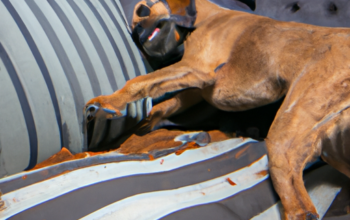
However, as the days go by, you soon realize that your furniture, shoes, and prized possessions are at risk from your puppy’s seemingly insatiable need to chew on everything in sight. This chewing frenzy is likely due to teething pains as your pup’s baby teeth make way for adult ones.
Fear not! There is a solution for both soothing those tender gums and preserving your belongings – teething toys for puppies. In this article, we will guide you through understanding the puppy teething process and selecting the right material for chew toys.
We’ll also share our top recommended brands to ensure safety and supervision while providing alternatives and additional tips for puppy teething relief. By investing in quality chew toys designed specifically for teething pups, you’ll be able to put both their discomfort (and yours) at ease while saving your furniture from becoming collateral damage in the process.
Understanding the Puppy Teething Process
You’ve probably noticed your puppy’s endless chewing, but do you really understand the teething process they’re going through? It’s important to know about the Puppy Teething Timeline and Dental Development Stages so that you can support your furry friend as they experience this uncomfortable phase.
Just like human babies, puppies go through a series of developmental stages when it comes to their teeth. This journey begins with the growth of their baby teeth (also known as deciduous or milk teeth), which start appearing around three weeks of age. By six to eight weeks, your puppy will have a full set of these temporary chompers.
The next stage in the Puppy Teething Timeline is when those baby teeth begin to fall out and make way for adult teeth – this usually happens between four and six months of age. During this time, your pup may experience discomfort, increased chewing urges, and even bleeding gums.
While it might be tempting to scold them for gnawing on everything in sight, remember that they’re just trying to alleviate their pain and discomfort. By understanding these Dental Development Stages and providing appropriate teething toys for your puppy, you can help soothe their gums and protect your furniture at the same time!
Selecting the Right Material for Chew Toys
Choosing the perfect material for chew toys can feel like an epic quest, but don’t worry, we’re here to guide you on this adventure. Material durability and toy texture are two key factors to consider when selecting the right chew toy for your teething puppy.
Durability ensures the toy can withstand your pup’s relentless chewing, while texture provides comfort and stimulation for their sore gums. When looking for a suitable material, keep these points in mind:
-
Rubber: This is an excellent choice due to its durability and flexibility. Rubber toys come in various textures and firmness levels, allowing you to find one that suits your puppy’s needs.
-
Nylon: Another durable option, nylon chew toys are often infused with flavors that entice puppies to gnaw on them. Look for textured surfaces that help massage gums during playtime.
-
Rope Toys: Made from woven fibers, rope toys act as a flossing agent for your pup’s teeth while providing a satisfying texture for them to chew on.
-
Plush Toys: While not as durable as other options, plush toys offer a soft texture that replicates the feeling of biting into fur or skin. Make sure these toys are specifically designed for chewing and avoid those with small parts or squeakers.
Remember: The goal is finding a balance between durability and comfort. Choose materials that will satisfy your puppy’s natural urge to chew while providing relief from teething discomforts.
Top Recommended Teething Toy Brands
Now that you’ve got a grasp on the materials, let’s dive into some top brands that’ll keep your pup entertained and provide much-needed relief. These brands offer durable designs and innovative shapes to ensure maximum satisfaction for your teething puppy while also protecting your furniture.
| Brand | Key Features |
|---|---|
| Kong | Durable rubber; multiple sizes |
| Nylabone | Variety of textures; flavor infused |
| West Paw Design | Eco-friendly materials; unique shapes |
| Benebone | Ergonomic design; real food flavors |
Kong is well-known for its classic red cone-shaped toy, made from pet-safe natural rubber that provides hours of chewing fun. Nylabone offers a vast selection of chew toys in various textures like nylon bones with bristles to help clean teeth and flavored options to entice even the pickiest pups. West Paw Design focuses on environmentally friendly materials in their Zogoflex line, providing products with interesting shapes suitable for interactive play as well as solo chewing sessions. Lastly, Benebone’s ergonomic design allows easy gripping by your pup while incorporating real food ingredients such as bacon or peanut butter for irresistible taste appeal.
Ensuring Safety and Supervision
Keeping your pup safe during playtime is like being a vigilant lifeguard at the beach, always ensuring they’re supervised and playing with appropriate toys.
Puppy proofing homes can go a long way in reducing the risk of accidents or injuries while your furry friend explores their surroundings. It’s important to keep an eye on them when using teething toys to ensure they don’t accidentally swallow parts that could cause choking hazards or other health issues.
Chew toy cleanliness is also crucial for maintaining your puppy’s overall health and wellbeing. Regularly inspecting and cleaning their toys can help prevent the growth of bacteria, mold, or mildew that could lead to illness.
Here are some key points to consider when ensuring safety and supervision:
- Keep a close watch on your pup while they’re playing with chew toys
- Regularly inspect toys for any signs of wear or damage
- Clean and sanitize chew toys frequently
- Always choose age-appropriate and size-appropriate toys for your puppy
- Remove any broken or damaged toys immediately
By following these guidelines, you’ll not only keep your puppy entertained and content but also provide them with a safe environment where they can grow and thrive.
Alternatives and Additional Tips for Puppy Teething Relief
When it comes to easing your little one’s teething discomfort, there are a variety of alternative methods and helpful tips that can save your household items from destruction.
Frozen treats are a popular option for providing relief and keeping your pup occupied. Consider making DIY frozen chews by soaking a rope toy in water or broth and then freezing it, offering both the benefits of cooling relief and soothing pressure on their gums. You can also create frozen treats using puppy-friendly ingredients like yogurt, banana, or peanut butter (make sure it doesn’t contain xylitol) blended together and frozen in ice cube trays.
Another way to help alleviate your puppy’s teething pain is through gentle gum massages. Using a clean finger or soft-bristled toothbrush, carefully rub their gums in circular motions, applying slight pressure. This can help reduce inflammation while also getting them accustomed to having their mouth handled – an important aspect of future dental care routines.
Additionally, make sure to provide ample opportunities for safe chewing with appropriate toys designed specifically for puppies going through the teething process. By offering various textures and shapes as well as alternating between warm and cold toys, you’ll keep them engaged while effectively soothing those sore gums.
Frequently Asked Questions
How can I tell if my puppy is experiencing teething pain or if they have a more serious dental issue?
Imagine your puppy gnawing everything in sight. Teething diagnosis isn’t tough; look for excessive chewing, drooling, and swelling gums. For dental care, consult a vet if you notice persistent bad breath or bleeding gums.
What are some signs that my puppy may be allergic or sensitive to a specific teething toy material?
Watch for teething toy reactions like redness, swelling, or itching around your puppy’s mouth. If you suspect sensitivity, try material alternatives such as fabric toys or natural rubber options.
How often should I replace teething toys to ensure they remain safe and effective for my puppy?
Monitor your puppy’s teething frequency and inspect toys regularly for wear and tear. Replace them every 1-2 months or when damaged. Consider toy alternatives to ensure safety and maintain their interest.
Are there any natural remedies or supplements that can help alleviate teething pain for my puppy?
Easing your pup’s teething woes is a top priority. Natural remedies and supplement options like cold carrots, chamomile tea, and clove oil can provide gentle relief for their tender gums. Consult your vet for personalized advice.
Can certain types of play or activities help distract my puppy from teething discomfort and reduce their need for chew toys?
Absolutely! Puppy distractions and teething games can help ease discomfort. Engage your pup in interactive play, like fetch or tug-of-war, to divert their attention from chewing on inappropriate objects and reduce teething pain.
Conclusion
Now that you’re well-equipped with the know-how, your little furball can bid adieu to teething troubles and you can preserve your precious furniture.
Remember to invest in the right chew toys and always keep an eye on your pup’s playtime.
Don’t forget about alternative remedies and extra tips for a smooth teething journey.
With patience and care, both you and your puppy will sail through this rite of passage without a hitch.