Sure, you might have thought that adopting a puppy would be all wagging tails and wet-nosed kisses. But now you’re faced with an odd canine conundrum: why is my pup throwing up? Before you panic and start googling ‘doggy Heimlich maneuver,’ let’s dive into what could be causing your fur-baby’s upset tummy.
It could be as simple as a change in diet or something more serious like a health issue. We’ll help you identify the common causes of canine vomiting, recognize signs of serious health problems, and teach you when it’s time to consult a vet.
Plus, we’ll share preventive measures and care techniques to ensure your pup stays happy and healthy. So, buckle up for some useful insights into the not-so-pleasant world of pet parenting – because there’s more to it than just belly rubs and fetch games!
Identifying Common Causes of Canine Vomiting
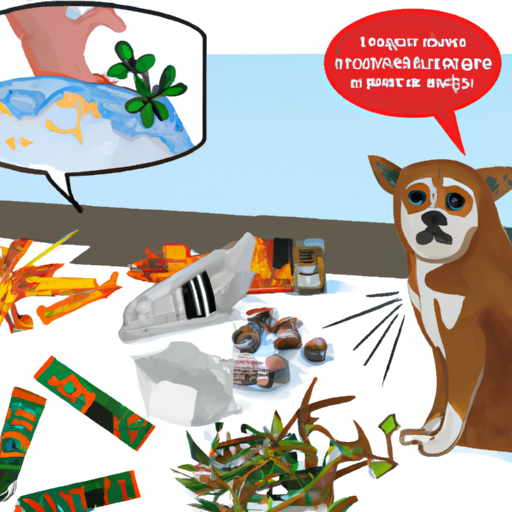
There’s a whole array of reasons why your new furry friend might be upchucking, painting an unfortunate picture on your living room carpet. It could be as simple as dietary indiscretion – puppies are notorious for eating things they shouldn’t. They have voracious appetites and aren’t always selective, which can lead to an upset tummy.
Infections, parasites, or gastrointestinal diseases may also be the culprits behind your puppy’s vomiting. If there’s blood in the vomit, it could indicate serious conditions like gastric ulcers or cancer.
Lastly, certain medications can cause nausea and vomiting in dogs just like in humans. Always monitor your pup after introducing any new medication.
If you’re unsure what’s causing the issue, consult with a vet immediately. Your vigilant care can save your puppy from unnecessary discomfort and distress.
Dietary Changes and Food Reactions
Switching up your little furball’s diet too quickly or introducing new foods can cause their tummy to rebel, resulting in them getting sick. It’s essential to understand that puppies have sensitive stomachs and sudden dietary changes can trigger vomiting due to indigestion.
If you’ve recently changed your pup’s food brand or type, consider reverting back to the old one and gradually introduce the new food over a week. Mix a small amount of the new food with the old, increasing the proportion each day. This gradual change helps acclimatize their digestive system to handle different ingredients and nutrient levels.
Moreover, some pups might be allergic or intolerant to certain foods which can also lead to vomiting. If this happens consistently, it’s best you consult a vet for allergy testing or dietary advice.
Signs of Serious Health Issues
While a single episode of vomiting may not necessarily indicate a serious health issue, persistent or severe symptoms could be a sign of underlying conditions that require immediate attention. It’s important to take note and act promptly if you observe these signs:
-
Frequent Vomiting: If your puppy is throwing up multiple times in a day, it might be more than just an upset stomach.
-
Blood in vomit: This could signify internal injuries or gastrointestinal issues.
-
Lethargy or Loss of Appetite: These are often signs your pup isn’t feeling well and needs medical attention.
-
Changes in Behavior: If your usually playful puppy suddenly becomes withdrawn, it might signal discomfort.
Remember, you’re serving your pet best by keeping them healthy and safe. Always consult with a veterinarian for professional advice when needed.
Consultation with a Veterinarian
When it comes to your pet’s health, you shouldn’t hesitate to seek advice from a qualified veterinarian. If your puppy is throwing up, it could be something simple like overeating or a reaction to new food, but it may also indicate a more serious issue.
You should be prepared to provide the vet with precise information about your puppy’s symptoms and behavior changes. This includes how often they’re vomiting, the color and consistency of their vomit, as well as any other unusual behavior such as lethargy or loss of appetite.
Remember that early intervention can make all the difference in treating potential illnesses. Your loving care combined with professional veterinary expertise will ensure the best possible outcome for your pup’s health.
Prevention and Care Techniques
Ironically, it’s often the things we think are best for our furry friends that can cause them discomfort or sickness. So, let’s explore some proactive steps to prevent your puppy from throwing up.
-
Monitor their diet: Puppies have sensitive stomachs, so it’s crucial you provide a nutritious and easily digestible diet. Avoid giving them human food, which can be toxic or hard to digest.
-
Hydrate: Ensure they always have access to fresh water to facilitate good digestion and prevent dehydration, especially if they’ve just thrown up.
-
Control Eating Speed: If your pup is eating too fast, it may lead to vomiting. Consider using slow feeder bowls or puzzle toys that make meals last longer.
By showing care in these areas, you’ll be helping your puppy maintain a healthier lifestyle while preventing potential upset stomachs.
Frequently Asked Questions
What types of human food are harmful to my puppy and can cause vomiting?”
There are several human foods that can harm your puppy and induce vomiting. These include chocolate, onions, garlic, caffeine, alcohol, grapes or raisins, avocados, and certain sweeteners like xylitol found in chewing gum.
How long should I wait after my puppy vomits to feed them again?”
It’s best to wait at least 24 hours after your puppy vomits before feeding them again. This gives their stomach time to rest and recover. Always consult with a vet for specific guidelines.
Can stress or anxiety cause my puppy to vomit?”
Yes, stress or anxiety can indeed cause your puppy to vomit. Just like humans, dogs have emotional responses that can affect their physical health. When they’re anxious or stressed, they might experience stomach upset and throw up.
Are there any over-the-counter medications I can give my puppy to help with vomiting?”
Like a band-aid for a scraped knee, over-the-counter medications like Pepto Bismol can offer temporary relief. However, it’s crucial to consult your vet first to ensure it’s safe and won’t mask any underlying conditions.
How can I comfort my puppy after they’ve thrown up?”
After your puppy has vomited, comfort them with gentle petting and reassurance. Provide a quiet space for rest. Offer small amounts of water initially, then gradually reintroduce bland food. Always monitor for further symptoms.
Conclusion
Like a detective cracking a case, you’ve navigated the complex world of canine health. Don’t be alarmed if your puppy’s throwing up occasionally; it can be due to diet changes or minor stomach issues. However, persistent vomiting warrants immediate vet consultation.
Armed with this knowledge, you’re better equipped to keep your pup healthy and happy. Remember, prevention’s indeed worth a pound of cure when it comes to your furry friend’s well-being.